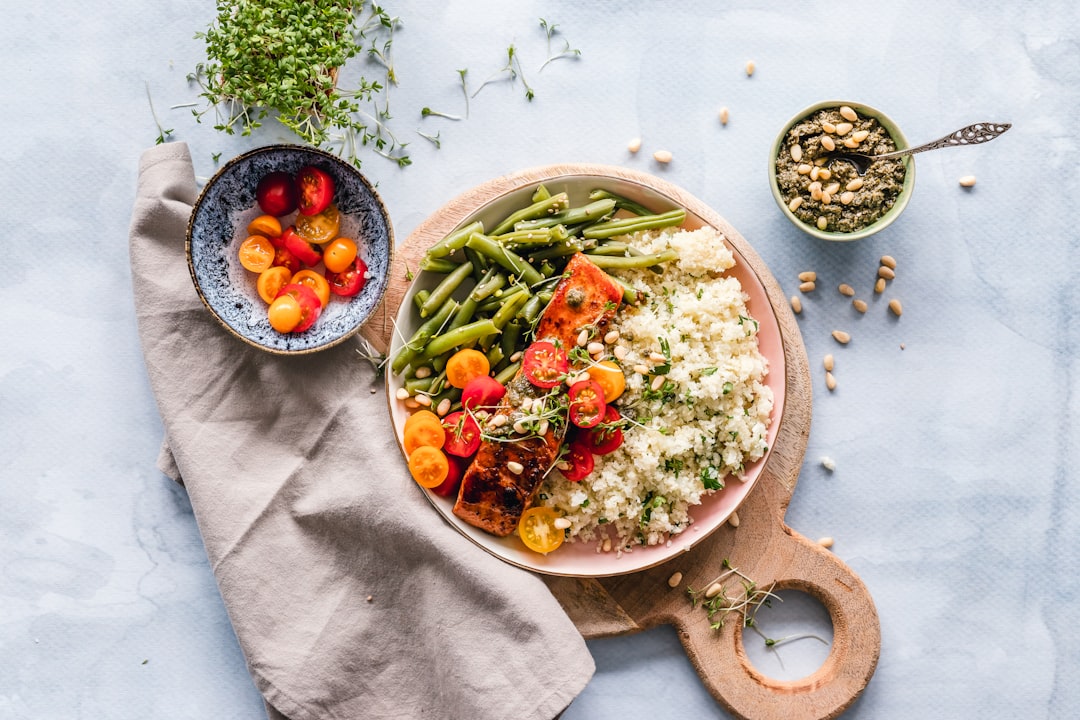
What Does Gut Health Mean?
Gut health refers to the balance of microorganisms living in your digestive tract. These bacteria, yeasts, and other microbes help break down food, produce vitamins, and support your immune system. When your gut microbiome is diverse and stable, it can function more effectively.
Many people search for the best foods for gut health because they experience bloating, irregular digestion, or low energy. While diet is one piece of the puzzle, it is important to remember that results are not guaranteed for everyone. Individual responses vary based on genetics, lifestyle, and overall health.
Why People Focus on Gut Health
Interest in gut health has grown as research links the digestive system to mood, inflammation, and even weight management. Common reasons people look for gut-friendly foods include:
- Reducing occasional bloating or gas
- Supporting regular bowel movements
- Boosting energy without relying on caffeine
- Strengthening immune defenses
- Managing stress-related digestive discomfort
It is important to note that changing your diet may help, but it is not a cure-all. If you have a medical condition, consult a healthcare professional before making major changes.
Key Types of Foods That Support Gut Health
When exploring the best foods for gut health, two main categories stand out: prebiotics and probiotics. Both play different but complementary roles.
Prebiotics are types of fiber that feed beneficial bacteria in your gut. They are found in plant-based foods. Probiotics are live bacteria found in fermented foods. Eating a mix of both may help maintain a healthy microbial balance. Options may vary based on availability and personal tolerance.
Prebiotic-Rich Foods to Include
Prebiotics help good bacteria grow and thrive. These foods are generally easy to add to meals:
- Garlic and onions – add flavor and fiber
- Bananas – especially slightly green ones
- Oats – a gentle source of soluble fiber
- Asparagus – contains inulin, a prebiotic fiber
- Leeks – mild and versatile in soups or salads
- Jerusalem artichokes – rich in inulin, but may cause gas in some people
Start with small amounts if you are not used to high-fiber foods. Gradually increasing intake may reduce discomfort.
Probiotic Foods to Consider
Probiotic foods introduce live microbes to your digestive system. While not all products contain active cultures, many fermented foods are good sources:
- Yogurt – look for labels that say "live active cultures"
- Kefir – a fermented dairy drink with multiple bacterial strains
- Sauerkraut – choose unpasteurized varieties for live cultures
- Kimchi – a spicy Korean side dish made from fermented vegetables
- Miso – a fermented soybean paste used in soups
- Tempeh – a fermented soybean product with a nutty flavor
Check your local store for options. Availability may vary by region. If you are lactose intolerant, non-dairy probiotic options like water kefir or kombucha may be suitable.
Other Gut-Friendly Nutrients and Habits
Beyond prebiotics and probiotics, other nutrients support gut health. Polyphenols, found in foods like berries, dark chocolate, and green tea, act as antioxidants that beneficial bacteria use. Fiber from whole grains, legumes, and nuts also promotes regularity.
Hydration matters too. Water helps fiber work properly in your digestive tract. Aim for consistent fluid intake throughout the day. Additionally, managing stress and getting enough sleep may positively affect your gut. These habits do not replace medical advice, but they may complement a balanced diet.
Common Mistakes to Avoid When Changing Your Diet
Many people try to overhaul their diet overnight. This approach can lead to discomfort or frustration. Here are common pitfalls to watch for:
- Adding too much fiber too quickly – this can cause gas and bloating
- Ignoring food sensitivities – if a food causes pain, it may not be right for you
- Relying solely on supplements – whole foods often provide more benefits
- Expecting instant results – changes can take weeks or months
- Cutting out entire food groups without professional guidance
Remember, results are not guaranteed, and what works for one person may not work for another. Be patient and listen to your body.
How to Start Incorporating These Foods
If you are new to gut health foods, start small. Add one new food per week to see how your body responds. For example:
- Week 1: Add a banana to your breakfast
- Week 2: Try a serving of plain yogurt with lunch
- Week 3: Include a side of steamed asparagus or garlic in a stir-fry
- Week 4: Experiment with a small portion of kimchi or sauerkraut
Keep a simple food journal to track how you feel. This can help you identify which foods support your digestion and which may cause issues. Requirements may apply if you have a specific health condition, so check with your doctor if you are unsure.
FAQ
What are the best foods for gut health for beginners?
For beginners, start with gentle options like oats, bananas, and plain yogurt. These foods are widely available and less likely to cause discomfort. Gradually introduce other items like garlic, leeks, or kefir as your system adjusts.
Can I get enough probiotics from food alone?
Many people can support gut health through food alone by including fermented items like yogurt, kimchi, and miso. However, individual needs vary. If you have digestive issues, talk to a healthcare provider about whether supplements are appropriate for you.
How long does it take for gut health foods to work?
There is no set timeline. Some people notice changes in a few days, while others may need several weeks. Consistency matters more than speed. Results are not guaranteed, and your experience may differ from others.
Are there any foods that harm gut health?
Highly processed foods, excess sugar, and artificial sweeteners may negatively affect gut bacteria for some people. Alcohol and low-fiber diets can also play a role. Reducing these foods may help, but moderation is key.
Should I avoid gluten or dairy for gut health?
Not necessarily. Unless you have a diagnosed intolerance or allergy, whole grains with gluten (like whole wheat) and dairy products (like yogurt) can be part of a gut-friendly diet. Listen to your body and consult a professional if you suspect a sensitivity.
Related Searches
- foods that help digestion naturally
- probiotic foods for gut health list
- high fiber foods for digestive health
- best fermented foods for gut health
- gut health diet plan for beginners
- signs of an unhealthy gut
- prebiotic foods vs probiotic foods
- natural ways to improve gut bacteria