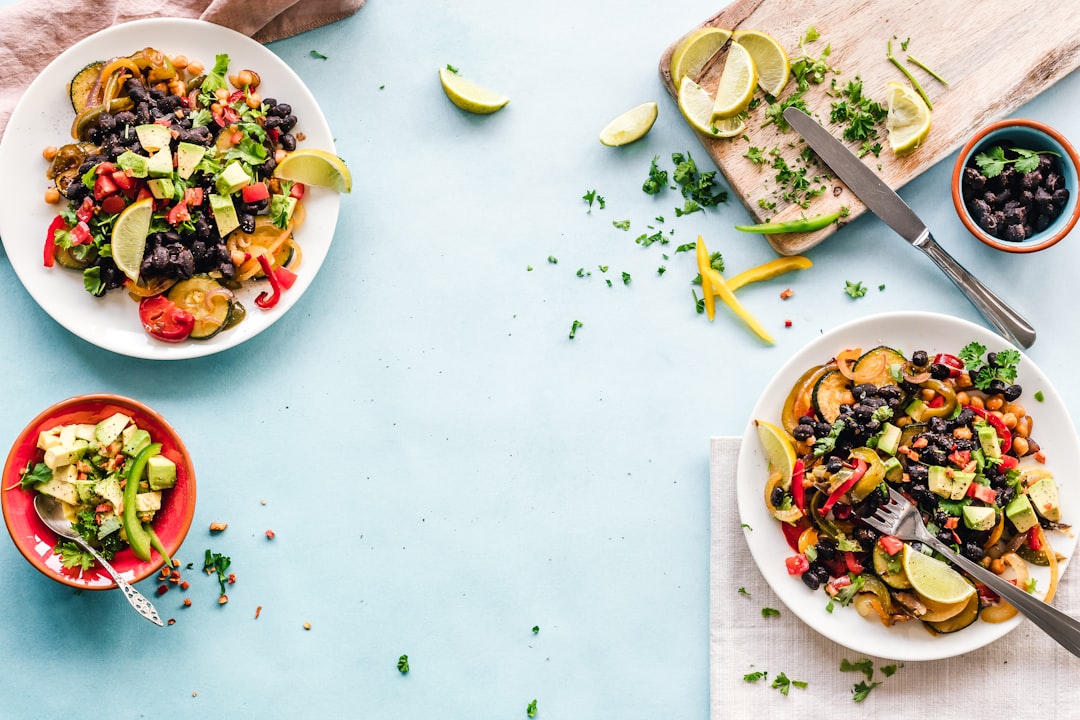
What Does “Boosting Metabolism” Really Mean?
Metabolism refers to the chemical processes your body uses to convert food into energy. A higher metabolic rate means your body burns more calories at rest and during activity. However, metabolism is influenced by many factors, including age, muscle mass, genetics, and hormone levels.
When people search for the best foods to boost metabolism, they often hope for a quick fix. In reality, food choices can only subtly influence your metabolic rate. The key is to eat foods that support energy production, digestion, and overall health—rather than expecting dramatic results.
Why People Look for Metabolism-Boosting Foods
Many individuals want to manage their weight or feel more energetic. They may have heard that certain foods can “speed up” their metabolism and help burn fat faster. While this idea is appealing, it’s important to understand that no food works like a switch.
Instead, the best approach is to focus on whole, nutrient-dense foods that support your body’s natural processes. These foods can help you feel fuller longer, stabilize blood sugar, and provide essential vitamins and minerals. Results are not guaranteed, but a balanced diet can make a real difference over time.
Common Requirements for Supporting Metabolism Through Diet
To get the most out of metabolism-friendly foods, consider these general guidelines:
- Eat enough protein: Protein has a higher thermic effect, meaning your body burns more calories digesting it compared to fats or carbs.
- Stay hydrated: Water is essential for metabolic reactions. Even mild dehydration can slow down your metabolism.
- Include fiber-rich foods: Fiber supports digestion and helps regulate appetite, which may indirectly support metabolic health.
- Avoid extreme restriction: Very low-calorie diets can actually slow metabolism. Your body may enter a conservation mode.
These requirements may vary from person to person. Always check your own health status and consult a professional before making major dietary changes.
How to Check Which Foods Work for You
There is no one-size-fits-all list of the best foods to boost metabolism. Your age, activity level, and current diet all play a role. To find what works for you:
- Start by adding one or two suggested foods to your meals for a week.
- Notice how your energy levels and hunger change.
- Keep a simple food journal to track patterns.
- Pay attention to how your body responds—not just to weight, but to mood and digestion.
Options may vary based on your dietary needs. For example, someone with a dairy sensitivity may need to choose different protein sources. Available in some areas are specialized diet plans, but general healthy eating is usually a good starting point.
Common Mistakes to Avoid When Trying to Boost Metabolism
Many people make well-intentioned but ineffective choices. Here are some mistakes to watch out for:
- Relying on “fat-burning” supplements: These often lack scientific support and may contain unregulated ingredients.
- Skipping meals: This can slow your metabolism and lead to overeating later.
- Overloading on spicy foods: While chili peppers may have a minor thermic effect, they won’t cause significant weight loss.
- Ignoring sleep and stress: Poor sleep and high stress can negatively affect metabolic hormones, no matter what you eat.
- Expecting instant results: Metabolic changes take time. Results are not guaranteed, and consistency matters more than any single food.
What to Do Next: Building a Metabolism-Supporting Diet
Instead of focusing on a short list of “magic” foods, aim for a sustainable eating pattern. Here are some steps you can take:
- Include lean proteins like chicken, fish, tofu, or legumes at each meal.
- Add plenty of vegetables, especially leafy greens and cruciferous options like broccoli.
- Choose whole grains over refined ones—think oats, quinoa, and brown rice.
- Incorporate healthy fats from avocados, nuts, and olive oil in moderation.
- Drink water throughout the day, and consider green tea or black coffee if tolerated.
Remember, these foods work best as part of an overall healthy lifestyle. Check your personal health needs and adjust portions accordingly. Requirements may apply if you have specific medical conditions, so always consult a healthcare provider before starting a new diet.
Sample Foods That May Support Metabolic Health
While no food is a cure-all, the following are often mentioned in discussions about the best foods to boost metabolism. They are nutrient-dense and can be part of a balanced diet:
- Eggs: Rich in protein and essential amino acids.
- Legumes: Beans, lentils, and chickpeas provide fiber and protein.
- Berries: Low in calories but high in antioxidants and fiber.
- Green tea: Contains catechins and caffeine, which may have a mild thermogenic effect.
- Chili peppers: Capsaicin may slightly increase calorie burn, but effects are small.
- Greek yogurt: High in protein and probiotics for gut health.
- Salmon: Provides omega-3 fatty acids and high-quality protein.
These foods are best enjoyed in combination with regular physical activity and adequate sleep. Options may vary, and results are not guaranteed for everyone.
FAQ
Can a single food really boost my metabolism significantly?
No single food can dramatically increase your metabolism. However, certain foods like protein-rich options and green tea may have a modest, temporary effect. The best results come from an overall healthy diet and lifestyle.
How long does it take to see changes in metabolism from diet?
Changes are gradual. You may notice improvements in energy and digestion within a few weeks, but significant metabolic shifts often take months of consistent healthy eating and exercise. Results are not guaranteed and vary by individual.
Are there any risks to eating too many “metabolism-boosting” foods?
Yes. Overconsumption of certain foods, like spicy peppers or caffeine, can cause digestive discomfort, heartburn, or sleep problems. Always eat in moderation and listen to your body.
Do I need to avoid carbs to support metabolism?
No. Complex carbohydrates like whole grains and vegetables provide energy and fiber, which support metabolic health. The key is to choose nutrient-dense carbs and avoid excessive refined sugars.
Should I take supplements to boost my metabolism?
Most supplements are not scientifically proven to be effective for long-term metabolic health. A balanced diet is safer and more reliable. Check with a healthcare provider before taking any supplement, as requirements may apply.
Related Searches
- foods that increase metabolism naturally
- metabolism boosting drinks
- best foods for weight loss and energy
- how to speed up metabolism after 40
- protein foods for metabolic health
- green tea and metabolism benefits
- thermogenic foods list
- healthy eating plan for better metabolism