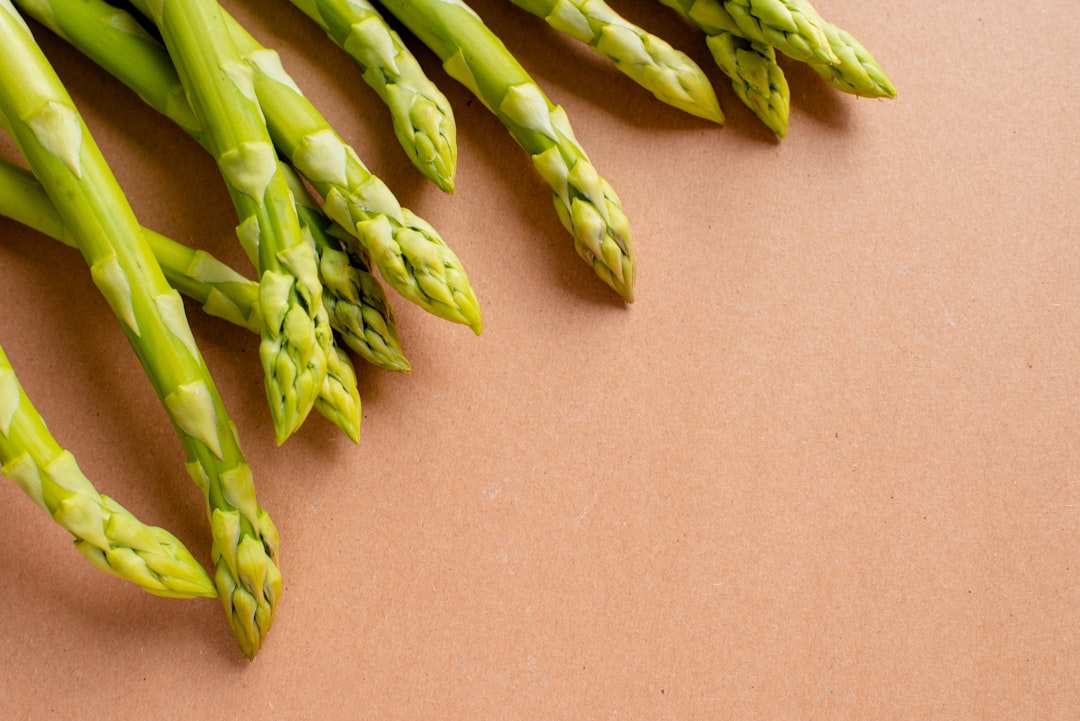
What Are High Fiber Foods and Why Do They Matter?
High fiber foods are plant-based ingredients that contain a type of carbohydrate your body cannot fully digest. Instead of being broken down for energy, fiber passes through your digestive system largely intact. There are two main types: soluble fiber, which dissolves in water and helps manage blood sugar and cholesterol levels, and insoluble fiber, which adds bulk to stool and supports regular bowel movements.
People search for high fiber foods because these nutrients play a key role in overall wellness. A diet rich in fiber may help with weight management by promoting a feeling of fullness, support heart health by lowering cholesterol, and improve digestion by preventing constipation. Many adults do not get enough fiber daily, so focusing on fiber-rich choices is a practical step toward better health.
It is important to note that individual results may vary. Adding fiber to your diet should be done gradually, and drinking plenty of water can help your body adjust. No single food guarantees specific health outcomes, but consistent intake of fiber-rich foods can support your wellness goals over time.
Top High Fiber Foods You Can Add to Your Meals
Here are some of the best high fiber foods that are easy to find and simple to incorporate into your daily routine. These options are widely available in most grocery stores and can fit into various meal plans.
- Legumes (beans, lentils, chickpeas): One cup of cooked lentils provides about 15 grams of fiber. Black beans, kidney beans, and chickpeas are also excellent sources.
- Whole grains (oats, quinoa, barley, brown rice): A cup of cooked oatmeal offers around 4 grams of fiber, while quinoa provides about 5 grams per cup.
- Berries (raspberries, blackberries, blueberries): One cup of raspberries contains roughly 8 grams of fiber, making them a sweet and nutrient-dense choice.
- Nuts and seeds (almonds, chia seeds, flaxseeds, sunflower seeds): Two tablespoons of chia seeds deliver about 10 grams of fiber. Almonds offer around 3.5 grams per ounce.
- Vegetables (broccoli, Brussels sprouts, carrots, sweet potatoes): One cup of cooked broccoli provides about 5 grams of fiber. A medium sweet potato with skin offers around 4 grams.
- Fruits (apples, pears, bananas, avocados): A medium pear with skin contains about 5.5 grams of fiber. One avocado provides roughly 10 grams.
- Popcorn: Three cups of air-popped popcorn offer about 3.5 grams of fiber, making it a healthy snack option.
These foods are versatile and can be used in salads, soups, smoothies, or as standalone snacks. Remember that fiber content may vary based on preparation methods and portion sizes. Always check nutrition labels for the most accurate information.
Why People Search for High Fiber Foods: Common Reasons
People look for high fiber foods for several practical reasons. Digestive health is a top priority for many, as fiber helps prevent constipation and supports regular bowel movements. Others are interested in weight management, since fiber-rich foods tend to be more filling and can help reduce overall calorie intake without feeling deprived.
Heart health is another common motivator. Soluble fiber, found in oats, beans, and apples, may help lower LDL cholesterol levels when included as part of a balanced diet. Some individuals also search for high fiber foods to help manage blood sugar levels, as fiber slows the absorption of sugar and may improve glycemic control.
It is worth noting that dietary needs vary from person to person. While increasing fiber intake can be beneficial for many, it is not a substitute for medical treatment or professional dietary advice. If you have specific health conditions, talking to a healthcare provider or registered dietitian can help you determine the best approach for your situation.
How to Check Your Fiber Intake and Find Options That Work for You
To figure out how much fiber you are currently getting, start by tracking your meals for a few days. Use a food diary or a nutrition app to estimate your daily fiber grams. The general recommendation for adults is around 25 to 30 grams per day, but individual needs may vary based on age, gender, and activity level.
When shopping for high fiber foods, read nutrition labels carefully. Look for items that list at least 3 grams of fiber per serving as a good source, and 5 grams or more as an excellent source. Whole foods like fruits, vegetables, and grains are usually the best choices because they provide fiber along with other beneficial nutrients.
If you are unsure where to start, try swapping refined grains for whole grains, adding a serving of beans to your lunch, or snacking on nuts and seeds. Options may vary depending on your location and budget, but many fiber-rich foods are affordable and widely available. Checking your local grocery store or farmers market can help you find fresh options that fit your preferences.
Common Mistakes to Avoid When Increasing Fiber Intake
One of the most common mistakes people make is adding too much fiber too quickly. This can lead to bloating, gas, and abdominal discomfort. Instead, increase your fiber intake gradually over a few weeks to give your digestive system time to adjust.
Another mistake is not drinking enough water. Fiber works best when it absorbs water, so staying hydrated is essential. Aim for at least 8 cups of water per day, and more if you are active or live in a hot climate.
Some people also rely heavily on fiber supplements or processed high-fiber products. While these can be convenient, whole foods often provide a wider range of nutrients and are generally more beneficial. Supplements may be helpful in some cases, but they should not replace a varied diet. Requirements may apply for specific health conditions, so check with a professional if you have concerns.
Finally, do not assume that all high-fiber foods are low in calories. Nuts, seeds, and avocados are nutrient-dense but also calorie-dense. Portion control is still important if you are managing your weight. Results are not guaranteed, but consistent, mindful choices can support your goals over time.
What to Do Next: Simple Steps to Add More Fiber
Start by picking one or two high fiber foods from the list above and incorporating them into your meals this week. For example, add a handful of berries to your morning oatmeal, or toss chickpeas into your lunch salad. Small changes can add up over time.
Consider planning your meals around fiber-rich ingredients. Breakfast could be a bowl of oatmeal topped with sliced banana and a tablespoon of chia seeds. Lunch might include a quinoa salad with black beans, corn, and diced bell peppers. For dinner, try roasted Brussels sprouts alongside a baked sweet potato and a lean protein source.
Snack on raw vegetables with hummus, an apple with almond butter, or a small handful of almonds. These options are easy to prepare and can help you reach your daily fiber goals without much effort. If you are trying new foods, start with small portions to see how your body responds. Remember that dietary changes may take time, and what works for one person may not work for another. Check your progress and adjust as needed based on your own experience.
Frequently Asked Questions About High Fiber Foods
What is the best high fiber food for weight loss?
There is no single best food, but options like beans, lentils, oats, and berries are often recommended because they are low in calories and high in fiber. These foods can help you feel full longer, which may support weight management when combined with a balanced diet and regular physical activity.
Can I eat too much fiber?
Yes, consuming excessive fiber, especially very quickly, can cause digestive discomfort such as bloating, gas, and cramping. It is best to increase fiber intake gradually and drink plenty of water. Most adults can safely aim for 25 to 30 grams per day, but individual tolerance varies.
Are fiber supplements as good as whole foods?
Fiber supplements can be helpful for some people, but they do not provide the same range of vitamins, minerals, and antioxidants found in whole foods. Whole foods are generally preferred for overall nutrition. If you use supplements, choose them as a complement to a fiber-rich diet, not a replacement.
How much fiber do I need each day?
General guidelines suggest about 25 grams per day for women and 30 to 38 grams per day for men. However, individual needs may vary based on age, activity level, and health conditions. Checking with a healthcare provider can help you determine the right amount for your situation.
Do high fiber foods help with constipation?
Yes, many high fiber foods, especially those with insoluble fiber like whole grains and vegetables, can help prevent or relieve constipation by adding bulk to stool and promoting regular bowel movements. Drinking enough water is also important for fiber to work effectively.
Related Searches
- high fiber foods list printable
- high fiber foods for constipation relief
- low calorie high fiber foods
- high fiber foods for weight loss
- best high fiber fruits and vegetables
- high fiber breakfast ideas
- high fiber snacks for adults
- soluble vs insoluble fiber foods