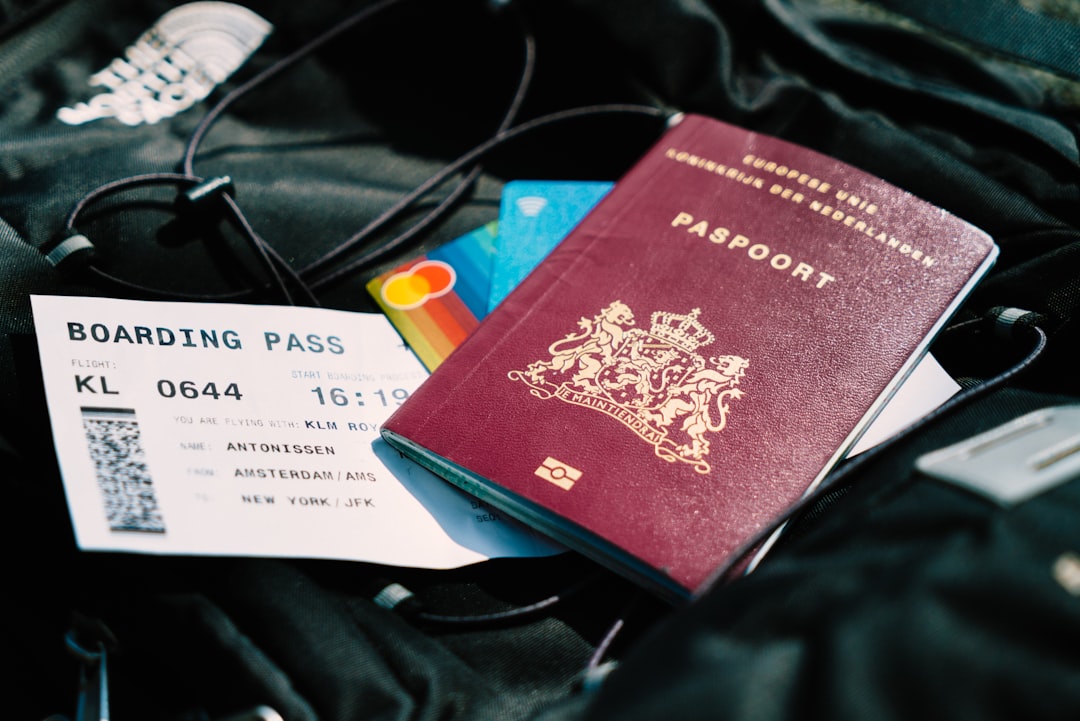
What Are Travel Scams and Why Do They Happen?
Travel scams are deceptive schemes designed to take your money or personal information while you are away from home. They can happen anywhere — at airports, hotels, popular attractions, or even online when booking trips. Scammers rely on your trust, distraction, or lack of local knowledge.
Understanding how these scams work is the first step to avoiding them. Common examples include fake taxi drivers, overpriced souvenirs, and phony tour operators. The goal is not to scare you, but to help you recognize warning signs early.
When you learn how to avoid travel scams, you reduce the chance of losing money or having your trip ruined. Awareness is your best defense, and it does not require special skills — just a little caution and preparation.
Common Travel Scams to Watch Out For
Scammers use a variety of tricks, but many follow similar patterns. Here are some of the most frequent scams travelers face:
- Fake taxi or ride services: Drivers may claim the meter is broken or charge inflated rates. Always use official apps or confirm the fare beforehand.
- Distraction theft: Someone spills something on you or asks for directions while an accomplice steals your bag. Keep valuables secure and avoid crowded distractions.
- Overpriced goods: Vendors may inflate prices for tourists. Compare prices at multiple stalls or shops before buying.
- Phony tour packages: Unlicensed operators offer cheap tours that never happen or are unsafe. Book through reputable companies or hotels.
- ATM skimming: Devices on ATMs can copy your card data. Use machines inside banks or well-lit areas.
- Fake accommodation listings: Scammers post photos of properties that do not exist. Verify listings on trusted platforms and read recent reviews.
Being aware of these tactics helps you spot them before you fall victim. Remember, if something feels off, it probably is.
How to Research Your Destination Before You Go
Preparation is key when learning how to avoid travel scams. Before you leave, spend time researching your destination. Look for travel advisories from official sources like government websites. These often highlight common scams in specific areas.
Read recent travel blogs or forum posts from other travelers. They share real experiences and tips that can alert you to local tricks. Also, check the average costs for taxis, meals, and attractions so you know what a fair price looks like.
If you plan to use public transportation, learn the routes and fare systems in advance. Scammers sometimes target tourists who appear lost or unsure. A little research saves time and money, and it reduces stress during your trip.
Safe Booking Practices for Flights and Accommodations
Booking travel online is convenient, but it also opens the door to scams. To stay safe, always use reputable websites or official airline and hotel apps. Avoid clicking on ads or links from unknown emails, as they may lead to fake booking pages.
When you find a deal that seems too good to be true, double-check the details. Look for contact information, refund policies, and secure payment options (like credit cards). Credit cards often offer fraud protection, while wire transfers or cash payments do not.
Read the fine print before confirming any booking. Some scammers hide extra fees or cancellation penalties. If you are unsure about a website, search for reviews or complaints online. Requirements may vary by platform, so always verify before paying.
How to Stay Alert During Your Trip
Once you arrive, staying alert is essential. Keep your belongings close, especially in crowded areas like markets, train stations, or festivals. Use a crossbody bag or a money belt to reduce the risk of theft.
Be cautious when strangers approach you with unsolicited help or offers. Scammers often pretend to be friendly locals offering directions, cheap tours, or free gifts. Politely decline and walk away if you feel pressured.
Use official transportation options when possible. If you need a taxi, use a ride-hailing app or ask your hotel to call a licensed driver. Avoid unmarked cars or drivers who approach you inside the airport or train station. Your safety is more important than saving a few dollars.
Also, keep digital copies of important documents like your passport and booking confirmations. Store them securely in cloud storage or email them to yourself. This helps if you lose physical copies or need to verify a booking quickly.
Common Mistakes Travelers Make and How to Avoid Them
Even experienced travelers can fall for scams when they let their guard down. Here are some common mistakes to watch for:
- Trusting too quickly: Scammers often appear helpful. Always verify identities and credentials before sharing personal info or money.
- Ignoring local advice: Hotel staff or local friends may warn you about certain areas or services. Listen to them, as they know the risks better than you.
- Using public Wi-Fi for transactions: Unsecured networks can be hacked. Avoid logging into bank accounts or making purchases on public Wi-Fi.
- Carrying too much cash: Large amounts of cash make you a target. Use cards or digital payments when possible, and only carry what you need for the day.
- Not reading reviews: Before booking a tour or activity, check recent reviews on multiple platforms. One bad review may be an outlier, but many similar complaints are a red flag.
Avoiding these mistakes does not guarantee a scam-free trip, but it greatly reduces your risk. Stay aware and trust your instincts.
What to Do If You Suspect a Scam
If you think you are being scammed, stay calm and remove yourself from the situation. Do not argue or confront the scammer, as this may escalate things. Instead, walk away to a safe, public area like a hotel lobby or a busy store.
Report the incident to local authorities or your country’s embassy if you feel threatened or if money was stolen. They can provide guidance on next steps, though results are not guaranteed. Also, contact your bank or credit card company immediately if you shared financial details.
After the trip, consider posting a warning on travel forums or review sites. Your experience may help other travelers avoid the same scam. Remember, falling for a scam does not mean you are foolish — scammers are skilled at what they do. The important thing is to learn and move forward.
How to Build Long-Term Scam Awareness
Learning how to avoid travel scams is not a one-time task. As scammers evolve their methods, staying informed is a continuous process. Follow travel safety blogs, subscribe to official travel alerts, and share tips with fellow travelers.
Before each trip, review common scams for that specific region. What works in one country may not apply in another. For example, some areas have high rates of fake police officers, while others see more currency exchange fraud. Tailor your awareness to your destination.
Finally, practice mindfulness while traveling. Avoid rushing through airports or crowded spots. When you are calm and present, you are less likely to miss red flags. Safe travels are built on small, consistent habits — not luck.
Frequently Asked Questions
What is the most common travel scam?
The most common travel scam is the fake taxi or ride service. Drivers overcharge or take longer routes. Using official apps or confirming fares in advance helps reduce this risk.
How can I avoid online travel booking scams?
Book through reputable websites or official apps. Avoid clicking on ads from unknown sources. Use credit cards for payment, as they offer more fraud protection than debit cards or wire transfers.
Should I carry cash or cards while traveling?
It is safer to carry a mix of both. Use cards for larger purchases and keep small amounts of cash for tips or local markets. Avoid carrying all your money in one place.
What should I do if someone tries to distract me in public?
Stay aware of your surroundings. If someone approaches you with a distraction, hold your bag tight and move away. Do not engage or let them get close to your belongings.
Can travel insurance help if I get scammed?
Some travel insurance policies cover theft or fraud, but coverage varies. Check your policy details before you travel. Requirements may apply, and not all scams are covered. Contact your provider for specific information.
Related Searches
- common travel scams to watch out for
- how to stay safe while traveling abroad
- travel safety tips for first-time tourists
- avoiding fake taxi scams in foreign countries
- safe online booking practices for flights
- how to spot counterfeit tour operators
- protecting your wallet from pickpockets
- travel scam alerts by destination