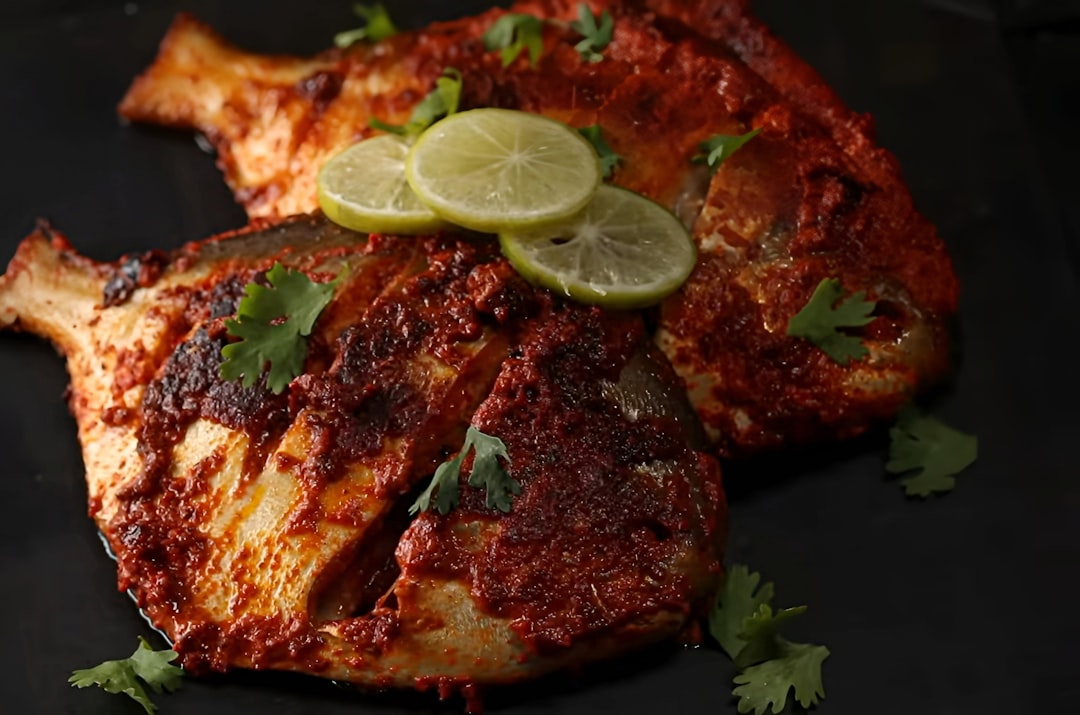
Why Learn How to Cook Fish at Home?
Many home cooks avoid preparing fish because they worry about overcooking, strong odors, or messy cleanup. However, learning how to cook fish at home is one of the most rewarding kitchen skills. Fish cooks quickly, requires minimal ingredients, and offers a healthy source of protein and omega-3 fatty acids. Once you understand a few key principles, you’ll find it easier than chicken or steak.
People often search for how to cook fish at home because they want to save money on restaurant meals, eat healthier, or impress family and friends. The good news is that you don’t need expensive equipment or professional training. A simple pan, an oven, or even a sheet pan can produce excellent results.
Choosing the Right Fish for Your Recipe
Not all fish cook the same way. Your choice depends on texture, flavor, and cooking method. Here are common categories to consider:
- Firm fish (salmon, tuna, swordfish, halibut): Hold up well to grilling, pan-searing, and baking. They are forgiving for beginners.
- Flaky white fish (cod, tilapia, haddock, sole): Cook quickly and are best for pan-frying, poaching, or baking in foil.
- Oily fish (mackerel, sardines, trout): Rich flavor, ideal for grilling or broiling.
- Delicate fish (flounder, sea bass): Require gentle cooking methods like steaming or light sautéing.
When shopping, look for fresh fish with mild scent, bright eyes, and firm flesh. Frozen fish is also a great option and often more affordable. Just thaw it in the refrigerator overnight before cooking.
Essential Tools for Cooking Fish at Home
You don’t need a fully stocked kitchen, but a few tools make the process smoother:
- Nonstick skillet or well-seasoned cast iron pan
- Fish spatula (thin, slotted metal spatula)
- Instant-read thermometer (target internal temperature: 145°F / 63°C)
- Baking sheet or oven-safe dish
- Parchment paper or aluminum foil for easy cleanup
- Tongs and a sharp knife
These items help you flip fish easily, avoid sticking, and check doneness without guesswork.
Simple Pan-Seared Fish Method
Pan-searing is one of the fastest and most popular ways to cook fish at home. It works well for fillets with skin (like salmon or trout) and for firm fish steaks.
Steps:
- Pat the fish dry with paper towels. Moisture prevents browning.
- Season both sides with salt, pepper, and optional spices (paprika, garlic powder, lemon zest).
- Heat a skillet over medium-high heat. Add a tablespoon of oil (avocado, canola, or vegetable oil).
- Place the fish skin-side down (if applicable). Press gently with a spatula for even contact.
- Cook without moving for 4–6 minutes, depending on thickness. The skin should be golden and crispy.
- Flip carefully and cook for another 2–4 minutes until the flesh is opaque and flakes easily.
- Remove from heat and let rest for 2 minutes before serving.
This method works best for fillets that are about 1 inch thick. Adjust cooking time for thinner or thicker pieces.
Baking Fish in the Oven
Baking is a hands-off approach that works for almost any type of fish. It’s also great for cooking larger portions at once.
Basic baked fish recipe:
- Preheat oven to 400°F (200°C).
- Line a baking sheet with parchment paper or foil.
- Place fish fillets on the sheet. Drizzle with olive oil and season with salt, pepper, and herbs (dill, thyme, parsley).
- Add lemon slices or cherry tomatoes around the fish for extra flavor.
- Bake for 10–12 minutes for fillets 1 inch thick. Check at the 8-minute mark for thinner pieces.
- Fish is done when it flakes easily with a fork and reaches 145°F internally.
For extra moisture, you can bake fish in a foil packet (en papillote). Add vegetables, a splash of white wine or broth, and seal the packet tightly. Bake for 12–15 minutes. This method steams the fish and keeps it tender.
Common Mistakes to Avoid When Cooking Fish at Home
Even experienced cooks make errors. Here are pitfalls to watch for:
- Overcooking: Fish continues to cook after you remove it from heat. Take it off the stove or oven when it’s just slightly underdone in the center.
- Skipping drying: Wet fish will steam instead of sear, resulting in soggy skin and bland flavor.
- Using cold fish: Let fish sit at room temperature for 10–15 minutes before cooking. Cold fish cooks unevenly.
- Overcrowding the pan: Leave space between pieces so heat circulates. Crowding lowers pan temperature and causes steaming.
- Flipping too early: Fish releases naturally from the pan when it’s ready. If it sticks, wait another minute before trying to flip.
- Ignoring thickness: A 1-inch fillet cooks much faster than a 2-inch steak. Adjust time accordingly.
How to Tell When Fish Is Done
Visual cues are reliable once you know what to look for. Use these signs:
- Flakiness: Insert a fork into the thickest part and twist gently. The flesh should separate easily into flakes.
- Opacity: Raw fish is translucent. Cooked fish turns opaque (white or beige) throughout.
- Temperature: The FDA recommends an internal temperature of 145°F (63°C). Insert the thermometer into the thickest part.
- Texture: The flesh should feel firm but still moist, not dry or rubbery.
If you’re unsure, it’s better to undercook slightly and return it to heat for 1–2 minutes than to overcook and ruin the texture.
Simple Seasoning and Flavor Ideas
Fish pairs well with light, fresh flavors. You don’t need complicated sauces. Try these combinations:
- Lemon, garlic, and fresh dill
- Olive oil, oregano, and tomato slices
- Soy sauce, ginger, and sesame oil (for an Asian twist)
- Lime juice, cilantro, and cumin (for a Mexican-style dish)
- Butter, capers, and parsley (classic piccata)
- Paprika, cayenne, and garlic powder (for a mild kick)
Season fish just before cooking, not hours ahead. Salt draws out moisture if left too long.
What to Do Next After Cooking Fish at Home
Once you’ve mastered the basics, try expanding your skills. You can experiment with different cooking methods like grilling, poaching, or broiling. Each technique changes the texture and flavor slightly.
Pair your fish with simple sides like steamed vegetables, rice, quinoa, or a fresh green salad. Leftover fish can be flaked and used in tacos, salads, or pasta dishes the next day. Store leftovers in an airtight container in the refrigerator and eat within 2 days.
If you’re cooking for others, remember that preferences may vary. Some people prefer well-done fish, while others like it medium-rare (especially tuna). Ask your guests beforehand to avoid disappointment. Results are not guaranteed for every cooking method, but practice will improve your consistency.
Frequently Asked Questions
Can I cook frozen fish without thawing it first?
Yes, you can cook frozen fish directly from the freezer. Increase cooking time by about 50% and use a lower oven temperature (around 375°F). Pan-searing frozen fish is trickier because excess moisture prevents browning. Baking or poaching works better for frozen fillets.
How do I prevent fish from sticking to the pan?
Make sure your pan is hot before adding oil, and use enough oil to coat the surface. Pat the fish dry thoroughly before seasoning. Nonstick pans or well-seasoned cast iron also help. Let the fish cook undisturbed until it releases naturally—forcing it will cause sticking.
What’s the best oil for cooking fish?
Use oils with a high smoke point for searing, such as avocado, canola, or grapeseed oil. Olive oil works for baking or low-heat cooking but burns easily at high temperatures. Avoid butter alone for searing—it browns too quickly. You can add a pat of butter at the end for flavor.
How long should I cook fish per inch of thickness?
A common rule is to cook fish for 8–10 minutes per inch of thickness at medium heat. For baking at 400°F, aim for 10 minutes per inch. Always check with a fork or thermometer, as exact times depend on the cooking method and fish variety.
Is it safe to eat fish that is slightly pink in the middle?
For most fish, opaque flesh throughout is the safest indicator of doneness. However, some fish like tuna and salmon can be served medium-rare if the quality is high and it has been properly handled. If you are cooking for vulnerable individuals (pregnant women, elderly, young children), cook fish to 145°F to reduce risk.
Related Searches
- easy fish recipes for beginners
- best way to cook salmon fillet
- how to cook tilapia in a pan
- baked cod recipe simple
- healthy fish dinner ideas
- pan seared fish with crispy skin
- fish cooking time chart
- how to season fish without overpowering