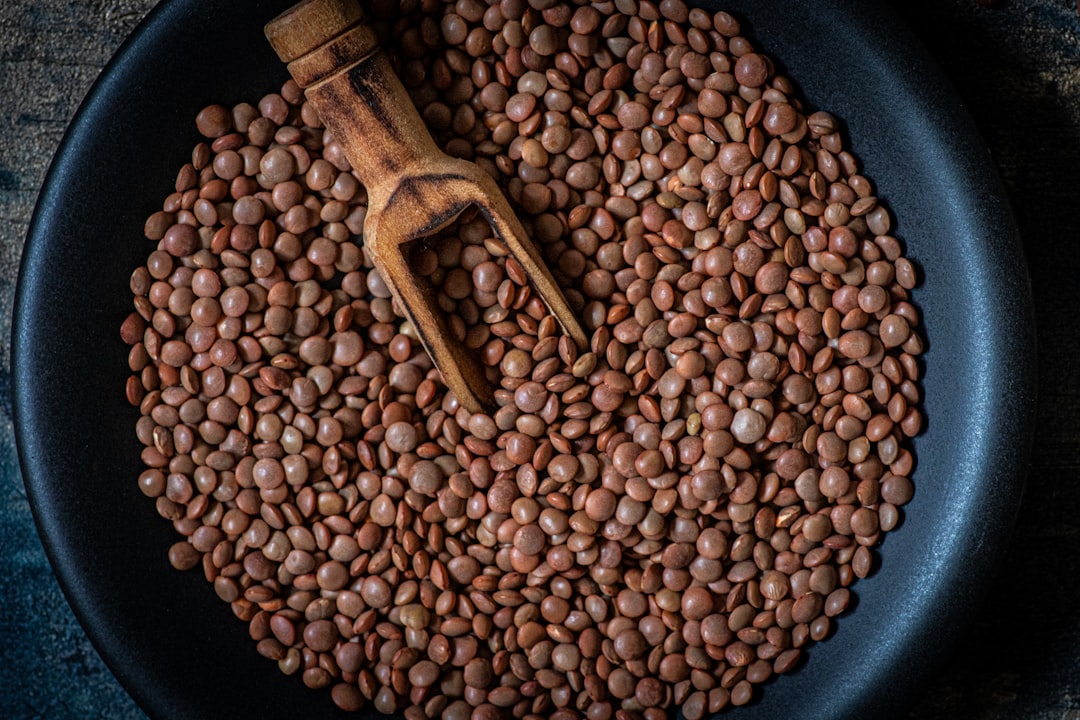
What Are Lentils and Legumes?
Lentils and legumes are edible seeds that grow in pods. Lentils are a type of legume, but the term "legume" also includes beans, chickpeas, peas, and soybeans. People search for how to cook lentils and legumes because they are affordable, nutritious, and versatile. They are a staple in many cuisines around the world, from Indian dal to Middle Eastern hummus to hearty stews.
Lentils come in several varieties: brown, green, red, yellow, and black (beluga). Legumes include black beans, kidney beans, chickpeas, split peas, and many others. Each type has a slightly different cooking time and texture, but the basic methods are similar.
Why Cook Lentils and Legumes at Home?
Cooking dried lentils and legumes at home gives you control over ingredients and sodium levels. Canned versions are convenient, but they often contain added salt or preservatives. Dried varieties are also more economical. A one-pound bag of dried lentils costs about the same as two cans and yields three to four times more cooked food.
Many people start cooking lentils and legumes to increase fiber and protein in their diet. They also suit vegetarian, vegan, and gluten-free meal plans. However, results are not guaranteed to suit every taste or digestive system, so it is wise to start with small portions and see how your body responds.
How to Prepare Lentils and Legumes Before Cooking
Preparation steps depend on the type of legume. Lentils generally do not require soaking, but most dried beans and chickpeas do. Here is a simple breakdown:
- Lentils (brown, green, red, yellow, black): Rinse under cold water and pick out any small stones or debris. No soaking needed.
- Split peas: Rinse well. No soaking required.
- Beans (kidney, black, pinto, navy, etc.): Sort and rinse, then soak for at least 8 hours or overnight. This reduces cooking time and helps with digestibility.
- Chickpeas: Soak overnight for best results. Quick-soak method: boil for 2 minutes, then let sit for 1 hour.
Soaking is not mandatory for all legumes, but it can improve texture and reduce compounds that cause gas. Options may vary based on your schedule and tolerance.
Basic Cooking Methods for Lentils and Legumes
There are three common ways to cook lentils and legumes: stovetop, pressure cooker, and slow cooker. Each method works well, but cooking times differ.
Stovetop Method
This is the most straightforward approach. Use a pot large enough to allow water to expand as the legumes cook.
- Lentils: Use 3 cups of water or broth per 1 cup of lentils. Bring to a boil, then reduce to a simmer. Cook 15–30 minutes depending on variety. Red and yellow lentils cook fastest (15–20 minutes), while brown and green take 20–30 minutes.
- Beans (soaked): Use 4 cups of water per 1 cup of dried beans. Simmer 45 minutes to 2 hours. Kidney beans need at least 10 minutes of boiling to be safe to eat.
- Chickpeas (soaked): Simmer 1.5 to 2 hours until tender.
Pressure Cooker Method
An Instant Pot or stovetop pressure cooker speeds up cooking significantly. Follow your device’s instructions. Typical times:
- Lentils: 8–12 minutes on high pressure.
- Beans (soaked): 20–30 minutes.
- Chickpeas (soaked): 35–45 minutes.
Slow Cooker Method
Slow cookers work well for legumes but require longer cooking. Soaked beans take 6–8 hours on low. Lentils can be added without soaking but may become mushy if cooked too long. Check your device’s manual for specific guidance.
Common Mistakes to Avoid When Cooking Lentils and Legumes
Even experienced cooks make errors. Here are the most common issues and how to avoid them:
- Not sorting or rinsing: Dirt or small pebbles can ruin a dish. Always rinse and pick through dry lentils and legumes.
- Adding salt or acid too early: Salt, vinegar, lemon juice, or tomatoes can prevent beans from softening. Add these ingredients at the end of cooking.
- Overcooking or undercooking: Lentils can turn to mush if boiled too long. Check for doneness 5 minutes before the suggested time. Beans should be tender but not falling apart.
- Skipping the soak for beans: Unsoaked beans take much longer to cook and may cause more digestive discomfort. Soaking also helps reduce cooking time.
- Using hard water: If your tap water is very hard, it can slow softening. Use filtered or bottled water if this is a concern.
How to Add Flavor to Lentils and Legumes
Plain lentils and legumes are mild, so they absorb flavors well. Here are simple ways to enhance taste without complicated recipes:
- Cook in vegetable or chicken broth instead of water.
- Add aromatics like onion, garlic, ginger, or bay leaves to the pot.
- Stir in spices such as cumin, coriander, turmeric, or smoked paprika after cooking.
- Finish with fresh herbs like cilantro, parsley, or thyme.
- Drizzle with olive oil or a splash of lemon juice before serving.
Remember that flavors develop as the dish sits. Lentils and legumes often taste better the next day, making them perfect for meal prep.
What to Do Next: Storage and Meal Ideas
Once cooked, lentils and legumes can be stored in the refrigerator for up to 5 days in a sealed container. They also freeze well for up to 3 months. Portion them into freezer-safe bags or containers for quick meals.
Here are easy ways to use cooked lentils and legumes:
- Add to soups, stews, or chili.
- Toss into salads for extra protein and fiber.
- Mash chickpeas for hummus or bean dip.
- Use lentils as a base for veggie burgers or meatloaf.
- Serve as a side dish with rice or quinoa.
If you are new to cooking lentils and legumes, start with one variety and experiment. Requirements may apply for specific dietary needs, so check with a healthcare professional if you have concerns about digestion or nutrition.
Frequently Asked Questions
Do I need to soak lentils before cooking?
No, lentils do not require soaking. Just rinse them under cold water and remove any debris. Soaking is only necessary for most dried beans and chickpeas.
Why are my lentils still hard after cooking?
Hard lentils may be old or stored for a long time. Also, acidic ingredients like tomatoes or vinegar added early can prevent softening. Try cooking with plain water and add acid later.
Can I cook lentils and legumes together?
Yes, but cooking times vary. Lentils cook faster than beans or chickpeas. It is best to cook them separately and combine after both are done, or add lentils later to the pot.
How do I reduce gas from eating beans?
Soaking beans overnight and discarding the soaking water helps. Rinsing canned beans also reduces gas-causing compounds. Starting with small portions and gradually increasing intake may also help.
Are canned lentils and legumes as healthy as dried?
Canned versions are convenient and still nutritious, but they often contain added sodium. Rinsing canned beans can reduce sodium by up to 40%. Dried varieties give you more control over ingredients and cost less per serving.
Related Searches
- how to cook brown lentils perfectly
- best way to cook dried beans without soaking
- lentil cooking time chart
- how to cook chickpeas from dry
- easy lentil soup recipe for beginners
- difference between lentils and legumes
- how to store cooked lentils
- high protein lentil and bean meals