lifestyle

How to Learn to Cook at Home: A Practical Guide for Beginners

Learning to cook at home can feel overwhelming if you’ve never chopped an onion or boiled pasta. But with the right approach, anyone can build confidence in the kitchen without expensive classes or fancy equipment. This guide breaks down simple steps, common pitfalls, and helpful tips to get you started.
How to Learn to Cook at Home: A Practical Guide for Beginners

What Does It Mean to Learn to Cook at Home?

Learning to cook at home means developing the skills to prepare meals from basic ingredients using your own kitchen tools. It’s not about becoming a gourmet chef overnight. Instead, it’s about understanding how to follow recipes, handle ingredients safely, and build a routine that works for your schedule and budget.

Many people search for “how to learn to cook at home” because they want to eat healthier, save money, or simply gain independence. The process is gradual, and results are not guaranteed to be perfect every time—but with practice, you can improve steadily.

Why People Want to Learn Cooking at Home

There are several common reasons why someone decides to start cooking at home:

  • Health goals: Preparing your own meals lets you control salt, sugar, and fat levels.
  • Budget concerns: Home cooking is often cheaper than takeout or restaurant meals.
  • Dietary needs: You can adapt dishes for allergies, intolerances, or personal preferences.
  • Enjoyment: Many people find cooking a relaxing or creative outlet.

Whatever your reason, starting small is key. Options may vary based on your kitchen setup, available time, and access to fresh ingredients.

Basic Requirements for Getting Started

Before you begin, check your current kitchen setup. You don’t need a full professional kitchen, but a few essentials help:

  • A sharp chef’s knife (or a good paring knife)
  • A cutting board
  • A non-stick skillet or frying pan
  • A medium-sized pot for boiling or simmering
  • Measuring cups and spoons
  • Basic spices: salt, pepper, garlic powder, and a dried herb like oregano

If you don’t have all of these, don’t worry. Start with what you have, and add tools as you go. Requirements may apply based on the recipes you choose, but simple dishes like scrambled eggs or pasta require very little.

How to Check Your Cooking Skill Level and Choose Recipes

It’s helpful to assess your current experience honestly. If you’ve never boiled water, start with no-cook meals like salads or sandwiches. If you can follow a simple recipe, try one-pot dishes or sheet pan dinners.

To check your options, look for recipes labeled “beginner” or “5-ingredient.” Many free websites and video platforms offer step-by-step guides. Avoid recipes with long ingredient lists or complicated techniques until you feel more confident.

Remember: there is no single “right” way to learn. Some people prefer written recipes, others learn better from videos. Your learning style may vary, so experiment with different formats.

Common Mistakes Beginners Make and How to Avoid Them

Even experienced cooks make mistakes. But as a beginner, watching out for these pitfalls can save time and frustration:

  • Not reading the full recipe before starting. This can lead to missing steps or forgetting to preheat the oven.
  • Overcrowding the pan. When too much food is added at once, it steams instead of browning.
  • Using dull knives. A dull blade is more dangerous than a sharp one because it slips easily.
  • Guessing measurements. Baking especially requires accuracy, but even cooking benefits from proper measuring.
  • Giving up after one bad meal. Results are not guaranteed on your first try—cooking is a skill that improves over time.

If you make a mistake, note what happened and adjust next time. Many home cooks find that keeping a simple notebook of what worked and what didn’t helps them improve faster.

What to Do Next: Build a Simple Cooking Routine

Once you’ve made a few basic dishes, create a routine that fits your lifestyle. Here are some steps to consider:

  1. Plan one or two meals per week. Start small rather than trying to cook every night.
  2. Shop with a list. This reduces impulse buys and ensures you have what you need.
  3. Prep ingredients ahead. Chop vegetables or portion proteins on a weekend to save time.
  4. Cook in batches. Make extra servings for leftovers or freezer meals.
  5. Try one new recipe each week. This keeps learning fresh without overwhelming you.

Your available time and energy may vary, so adjust your routine accordingly. The goal is consistency, not perfection.

How to Stay Motivated and Keep Improving

Motivation can dip after a few failed dishes or busy weeks. To stay on track:

  • Celebrate small wins, like perfectly cooked rice or a tasty omelet.
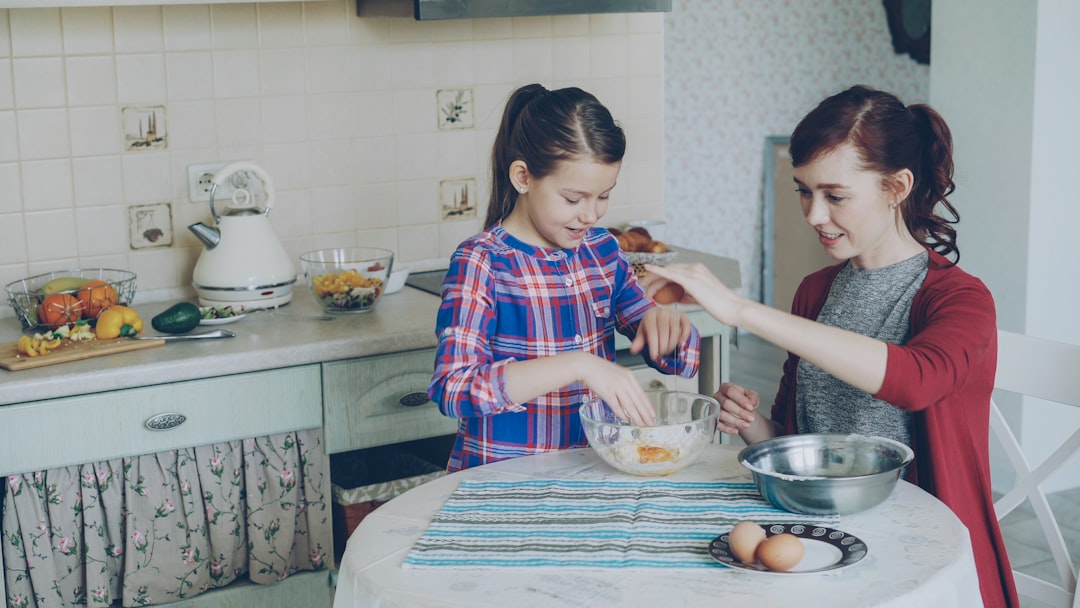
  • Cook with a friend or family member to make it more social.
  • Watch cooking shows or online channels that focus on basics.
  • Experiment with one new ingredient per month, like lentils or a new vegetable.

Remember that learning to cook at home is a personal journey. Your progress may differ from others, and that’s fine. Consistency matters more than speed.

Frequently Asked Questions

How long does it take to learn to cook at home?

There is no fixed timeline. Some people feel comfortable with basic meals in a few weeks, while others take months. Your pace depends on how often you practice and the complexity of the dishes you attempt.

Do I need expensive equipment to start cooking?

No. A few basic tools like a knife, cutting board, and a pan are enough for many beginner recipes. You can add better equipment later if you choose.

What is the easiest dish to cook for a beginner?

Scrambled eggs, pasta with jarred sauce, grilled cheese sandwiches, and simple salads are common starting points. These require minimal steps and few ingredients.

How can I avoid wasting food while learning?

Plan your meals for the week and buy only what you need. Use leftovers in other dishes, like turning roasted vegetables into soup or adding cooked chicken to salads.

What if I don’t have time to cook every day?

That’s okay. You can cook in batches on weekends and store portions in the fridge or freezer. Even cooking two or three times a week can make a difference in your skills and diet.

Related Searches

  • easy recipes for beginners at home
  • how to cook healthy meals on a budget
  • basic cooking skills for adults
  • meal prep ideas for new cooks
  • kitchen tools every beginner needs
  • simple dinner recipes with few ingredients
  • how to season food without a recipe
  • cooking tips for people who hate cooking