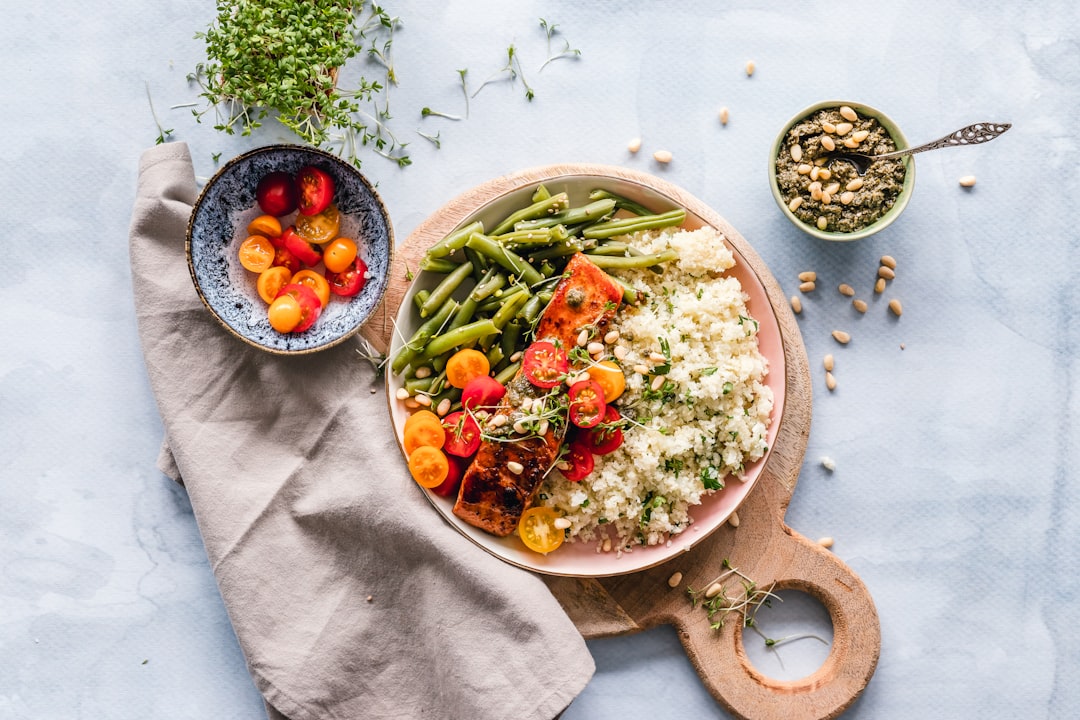
What Does It Mean to Lower Cholesterol with Diet?
Cholesterol is a waxy substance your body needs to build cells and produce certain hormones. However, when levels of LDL cholesterol (often called “bad” cholesterol) get too high, it can increase the risk of heart disease. Lowering cholesterol with diet means adjusting your daily food intake to reduce LDL cholesterol while supporting HDL cholesterol (the “good” type).
Dietary changes are not a replacement for medical advice or prescribed medications. Instead, they work alongside other lifestyle habits to help manage your numbers. Results vary from person to person, and improvements may take several weeks or months to appear.
Why People Search for Diet-Based Cholesterol Solutions
Many individuals prefer to start with food changes before considering medication. Others may have been told by their doctor to improve their diet as a first step. Common reasons people look for how to lower cholesterol with diet include:
- Wanting to avoid or delay starting cholesterol-lowering drugs
- Having a family history of high cholesterol and heart disease
- Experiencing borderline high numbers during a routine checkup
- Looking for affordable, sustainable health improvements
Whatever your reason, focusing on diet is a safe and widely recommended approach. However, individual results are not guaranteed, and it is always wise to discuss changes with a healthcare provider.
Key Foods That May Help Lower Cholesterol
When learning how to lower cholesterol with diet, it helps to know which foods have the most impact. Research suggests that certain foods can actively reduce LDL cholesterol when eaten regularly as part of a balanced diet.
Oats and Barley
Whole grains like oats and barley contain soluble fiber, which binds to cholesterol in the digestive system and helps remove it from the body. A bowl of oatmeal or barley porridge for breakfast is a simple starting point.
Fatty Fish
Salmon, mackerel, sardines, and tuna are rich in omega-3 fatty acids. While omega-3s do not directly lower LDL, they support heart health by reducing inflammation and raising HDL cholesterol.
Nuts and Seeds
Almonds, walnuts, flaxseeds, and chia seeds provide healthy fats and fiber. Eating a small handful daily may contribute to modest LDL reduction.
Legumes
Beans, lentils, chickpeas, and peas are high in soluble fiber and plant protein. Replacing some meat with legumes can lower saturated fat intake while adding fiber.
Fruits and Vegetables
Apples, grapes, citrus fruits, strawberries, and avocados contain pectin and other compounds that support cholesterol management. Aim for a variety of colors to maximize nutrient intake.
Plant Sterols and Stanols
These natural substances, found in fortified foods like certain margarines, orange juice, and yogurt drinks, can block cholesterol absorption. Products with added sterols may help, but they are not a substitute for a healthy diet.
Foods to Limit or Avoid
Lowering cholesterol with diet also involves reducing foods that raise LDL levels. The main culprits are saturated fats and trans fats. Common sources include:
- Red meat (beef, pork, lamb) and processed meats (sausages, bacon)
- Full-fat dairy products (butter, cream, cheese)
- Fried foods and fast food
- Baked goods made with butter, lard, or shortening
- Palm oil and coconut oil (though plant-based, they are high in saturated fat)
Replacing these with unsaturated fats—such as olive oil, avocado, and nuts—can make a meaningful difference. Even small swaps, like using olive oil instead of butter, add up over time.
Common Mistakes People Make When Changing Their Diet
It is easy to fall into traps that slow progress. Here are a few mistakes to watch for when trying to lower cholesterol with diet:
- Relying on “cholesterol-free” labels: A product labeled “no cholesterol” can still be high in saturated fat, which raises blood cholesterol.
- Cutting all fats: Healthy fats from plants and fish are beneficial. The goal is to replace bad fats, not eliminate all fats.
- Ignoring portion sizes: Even healthy foods like nuts and avocado are calorie-dense. Eating too much can lead to weight gain, which may affect cholesterol.
- Skipping fiber-rich carbohydrates: Some low-carb diets reduce fiber intake, which can backfire. Soluble fiber is a key part of cholesterol management.
- Expecting quick results: Dietary changes typically take 3–6 months to show noticeable effects. Consistency matters more than perfection.
How to Start Lowering Cholesterol with Diet Today
If you are ready to make changes, start small. Overhauling your entire diet at once can be overwhelming. Try these actionable steps:
- Swap your breakfast cereal for oatmeal topped with berries and flaxseeds.
- Replace one meat-based meal per week with a bean or lentil dish.
- Use olive oil or avocado oil for cooking instead of butter or coconut oil.
- Snack on a handful of almonds or walnuts instead of chips or cookies.
- Add an extra serving of vegetables to lunch and dinner.
Track your progress by checking your cholesterol levels with your doctor every few months. Remember, results are not guaranteed, and some people may need additional support from medication or lifestyle changes beyond diet.
What to Do Next: Check Your Options
After learning how to lower cholesterol with diet, you may want to explore other tools. Many people combine dietary changes with physical activity, stress management, and regular health screenings. If diet alone does not bring your numbers into a healthy range, your doctor may discuss other options. These could include prescription medications or referral to a dietitian for personalized guidance.
Eligibility for specific programs or support varies. Check your health insurance plan to see if nutrition counseling or cholesterol management services are covered. Some community health centers offer free or low-cost screenings. Always consult a qualified professional before making major changes to your health routine.
Frequently Asked Questions
How quickly can I lower cholesterol with diet?
Most people see modest changes within 3 to 6 months of consistent dietary improvements. However, individual results vary based on genetics, starting levels, and overall lifestyle. Some may see changes sooner, while others may need more time or additional interventions.
Can I eat eggs if I have high cholesterol?
For most people, moderate egg consumption (up to one egg per day) does not significantly raise blood cholesterol. The bigger concern is what you eat with eggs—like bacon, butter, or cheese. Focus on the overall quality of your diet rather than singling out one food.
Is it possible to lower cholesterol without medication?
For some individuals, diet and lifestyle changes alone can reduce LDL cholesterol enough to avoid medication. However, this depends on your starting numbers, family history, and other risk factors. Many people need a combination of diet and medication for optimal results.
Do plant-based diets help lower cholesterol?
Yes, plant-based diets that emphasize whole grains, legumes, fruits, vegetables, nuts, and seeds are often associated with lower cholesterol levels. However, not all plant-based diets are healthy—a diet high in refined carbs and processed vegan foods may not provide the same benefits.
Should I take supplements for cholesterol?
Some supplements—like psyllium fiber, omega-3s, or plant sterols—may offer modest benefits. However, supplements are not regulated as strictly as medications, and their effects are not guaranteed. It is safer to get these nutrients from food first. Always talk to your doctor before starting any supplement.
Related Searches
- Best foods to lower LDL cholesterol naturally
- Low cholesterol meal plan for beginners
- How to reduce cholesterol without statins
- Foods that raise HDL cholesterol
- High cholesterol diet: what to eat and avoid
- Can exercise lower cholesterol as well as diet?
- Cholesterol-lowering recipes for heart health
- Natural ways to manage cholesterol at home