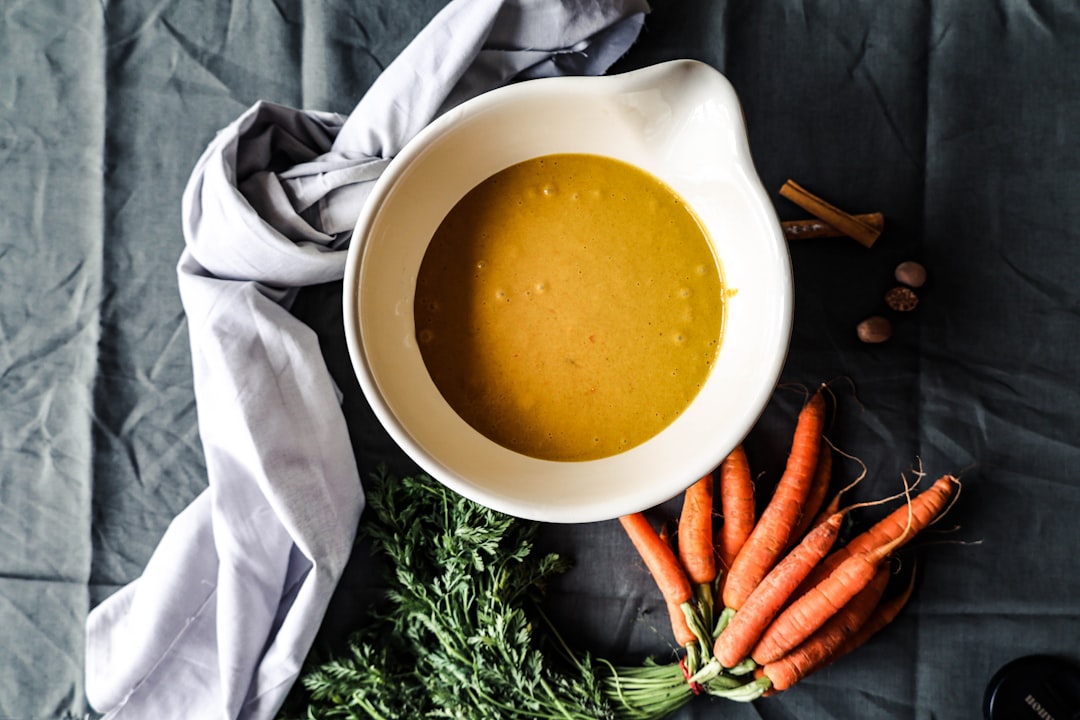
What Is Bone Broth and Why Do People Make It?
Bone broth is a savory liquid made by simmering animal bones, often with vegetables, herbs, and spices, for an extended period. Unlike regular stock, which cooks for a shorter time, bone broth is simmered for 12 to 48 hours. This slow cooking helps extract gelatin, collagen, and minerals from the bones, giving the broth a rich, silky texture.
People search for how to make bone broth for various reasons. Some want a warm, comforting drink, while others aim to support their digestive health or joint comfort. It’s also a popular way to use leftover bones from roasted chicken or beef roasts, making it both economical and sustainable. Results can vary based on ingredients and cooking time, so individual experiences may differ.
What You Need to Get Started
Making bone broth at home requires only a few basic tools and ingredients. Here’s a simple list to help you prepare:
- Bones: Beef, chicken, turkey, or pork bones work well. Roasted bones add deeper flavor.
- Water: Use enough to cover the bones completely. Filtered water is recommended for cleaner taste.
- Acid: A splash of apple cider vinegar or lemon juice helps extract minerals from the bones.
- Aromatics: Onion, garlic, celery, and carrots add depth. Bay leaves, peppercorns, and thyme are optional.
- Salt: Add at the end of cooking to avoid over-salting as the broth reduces.
- Large pot or slow cooker: A stockpot, Dutch oven, or slow cooker works well. A pressure cooker can shorten cooking time.
You may also add herbs like rosemary or parsley in the last 30 minutes for extra flavor. Requirements may vary depending on your taste preferences and dietary needs.
Step-by-Step Guide: How to Make Bone Broth
Follow these clear steps to make a rich, gelatinous bone broth at home. Adjust timing based on your equipment and schedule.
Step 1: Prepare the bones. If using raw bones, roast them at 400°F (200°C) for 30–40 minutes until browned. This step is optional but enhances flavor. For leftover bones from a meal, you can skip roasting.
Step 2: Place bones in your pot. Add the bones to your chosen cooking vessel. If using a slow cooker, fill it about halfway with bones. For a stockpot, aim for a similar ratio.
Step 3: Add water and acid. Pour enough filtered water to cover the bones by about 2 inches. Add 1–2 tablespoons of apple cider vinegar or lemon juice. Let it sit for 30 minutes before heating—this allows the acid to work.
Step 4: Bring to a boil, then simmer. Bring the water to a gentle boil, then reduce heat to a low simmer. Skim off any foam or impurities that rise to the surface during the first 30 minutes. This step helps keep the broth clear.
Step 5: Add aromatics (optional). After skimming, add chopped vegetables and herbs. Avoid adding salt at this stage.
Step 6: Simmer for the right time. Simmer chicken or poultry bones for 12–24 hours. Beef or pork bones may need 24–48 hours for maximum extraction. A slow cooker on low heat is ideal for overnight cooking. A pressure cooker can reduce time to 2–4 hours, but results are not guaranteed to be identical.
Step 7: Strain and season. Once done, strain the broth through a fine-mesh sieve or cheesecloth into a large bowl or pot. Discard the solids. Season with salt to taste after straining.
Step 8: Cool and store. Let the broth cool to room temperature, then refrigerate. The fat will solidify on top—you can remove it or leave it for extra richness. Broth keeps in the fridge for 5–7 days or in the freezer for up to 6 months.
Common Mistakes to Avoid When Making Bone Broth
Even experienced cooks can run into issues. Here are some common pitfalls to watch for:
- Not skimming the foam: Leaving foam in the broth can make it cloudy and slightly bitter. Skim within the first hour.
- Boiling instead of simmering: A rolling boil can make the broth cloudy and harsh. Keep the heat low for a gentle simmer.
- Adding salt too early: Salt becomes more concentrated as the broth reduces. Season only after straining.
- Using too much water: Too much water dilutes flavor and gelatin content. Keep bones mostly submerged.
- Not using enough acid: Without acid, mineral extraction may be less effective. A small amount is enough.
- Overcooking poultry bones: Chicken bones can become brittle and release unpleasant flavors if simmered beyond 24 hours.
Options may vary depending on your pot size and heat source. Adjust as needed based on your equipment.
How to Check Your Broth for Quality
Once your broth is made, you can check a few things to see if it turned out well. A good bone broth should jiggle slightly when cold due to gelatin content. The color should be rich and golden to deep brown, depending on the bones used. The aroma should be savory and clean, not sour or burnt.
If your broth is thin or watery, it may need longer simmering or more bones next time. If it tastes flat, add a pinch of salt or a splash of lemon juice. Remember, results are not guaranteed to be identical for every batch, as factors like bone type, age, and cooking time all play a role.
What to Do With Your Bone Broth
Bone broth is incredibly versatile. Use it as a base for soups, stews, and sauces. You can also sip it warm as a comforting beverage. It works well for cooking grains like rice or quinoa, adding flavor and nutrients. Many people also use it to braise vegetables or meats.
If you made a large batch, portion it into freezer-safe containers or ice cube trays for easy use later. Label each container with the date and type of broth. This way, you always have homemade broth ready for recipes. Availability of ingredients and storage space may affect your options.
Frequently Asked Questions
How long should I simmer bone broth?
Chicken or poultry bones benefit from 12–24 hours of simmering. Beef or pork bones may need 24–48 hours. A pressure cooker can shorten this to 2–4 hours, but texture and flavor may differ. Simmering times are not guaranteed to produce identical results for every batch.
Can I use bones from a cooked chicken or roast?
Yes, leftover bones from a roasted chicken or beef roast work well. They already have roasted flavor, so you can skip the initial roasting step. Just make sure to remove any excess meat or skin.
Do I need to add vinegar?
Adding a small amount of apple cider vinegar or lemon juice is recommended. The acid helps extract minerals like calcium and magnesium from the bones. Without it, extraction may be less effective, but the broth will still be flavorful.
How do I store bone broth safely?
Cool the broth to room temperature before refrigerating. Store in airtight containers for up to 5–7 days in the fridge. For longer storage, freeze in portions for up to 6 months. Always check for off smells or mold before using.
Is bone broth the same as stock?
Bone broth and stock are similar, but bone broth is typically simmered longer to extract more gelatin and minerals. Stock is often cooked for a shorter time and may have less collagen. Both can be used in similar ways, but bone broth usually has a thicker texture when cooled.
Related Searches
- how to make bone broth in a slow cooker
- bone broth recipe for beginners
- benefits of drinking bone broth daily
- how to make chicken bone broth
- bone broth vs stock difference
- how to store bone broth long term
- bone broth for gut health
- how to make beef bone broth