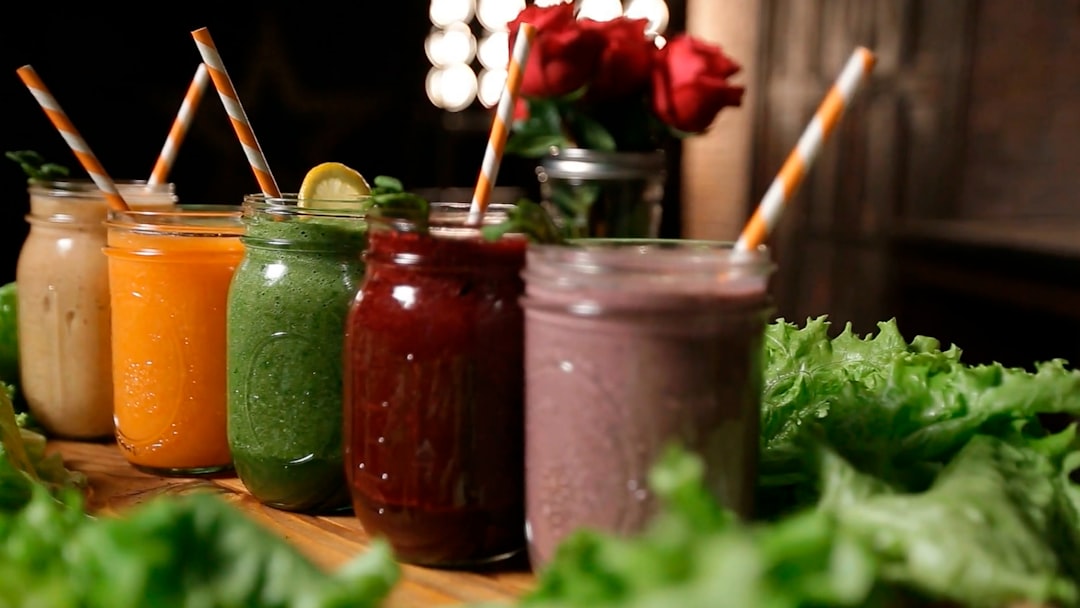
What Does It Mean to Make a Healthy Smoothie?
Making a healthy smoothie involves combining whole foods in a way that provides nutrients without excess sugar or empty calories. The goal is to create a drink that supports energy, digestion, and overall well-being. A healthy smoothie typically includes a source of protein, fiber, healthy fats, and a variety of vitamins and minerals from fruits and vegetables.
Many people search for how to make healthy smoothies because they want a quick meal replacement, a post-workout refuel, or a simple way to eat more produce. Understanding the basic components helps you avoid common pitfalls like adding too much fruit juice or sweetened yogurt, which can turn a healthy idea into a sugary drink.
Why People Look for Healthy Smoothie Recipes
There are several reasons why "how to make healthy smoothies" is a popular search topic. First, smoothies offer a fast and portable option for busy mornings. Second, they can be customized to fit different dietary needs, such as dairy-free, gluten-free, or low-sugar preferences. Third, blending whole foods can make nutrients easier to digest for some people.
However, not all smoothies are created equal. Some store-bought or restaurant versions contain added syrups, artificial flavors, or high-calorie bases. Learning to make your own allows you to control the ingredients and adjust the flavor and texture to your liking. This is why so many home cooks are eager to learn the basics.
Key Ingredients for a Balanced Smoothie
To build a smoothie that supports your goals, focus on including these four core components:
- Base liquid: Water, unsweetened almond milk, oat milk, or coconut water. Avoid fruit juice or sweetened dairy alternatives unless you want extra sugar.
- Fruits and vegetables: Use fresh or frozen options. Bananas, berries, spinach, kale, and mango are popular choices. Aim for a mix of colors for varied nutrients.
- Protein source: Greek yogurt, plain kefir, silken tofu, or a scoop of unsweetened protein powder. This helps keep you full longer.
- Healthy fat and fiber: Add a tablespoon of chia seeds, ground flaxseed, almond butter, or avocado. These ingredients support satiety and nutrient absorption.
Optional extras include a pinch of cinnamon, a dash of vanilla extract, or a handful of ice for a thicker texture. Remember that portion sizes matter. A large smoothie can contain several servings of fruit, so be mindful of your total calorie and sugar intake.
How to Choose the Right Fruits and Vegetables
Selecting produce for your smoothie depends on taste, availability, and your nutritional needs. Frozen fruits are often more affordable and create a colder, creamier texture without needing ice. Fresh fruits work well but may require more liquid to blend smoothly.
Vegetables like spinach, kale, cucumber, and zucchini add volume and nutrients without overpowering the flavor. If you are new to greens, start with a small handful of spinach, which has a mild taste. Over time, you can experiment with stronger options like celery or beetroot. The key is to balance sweetness from fruit with the earthiness of vegetables so the final drink tastes pleasant.
Some people prefer to prep smoothie packs in advance. You can portion fruits and vegetables into freezer bags, then simply add liquid and protein when blending. This saves time and reduces morning decision fatigue.
Common Mistakes to Avoid When Making Smoothies
Even experienced home cooks can make errors that turn a healthy smoothie into a less nutritious choice. Here are some common pitfalls:
- Using too much fruit: While fruit is healthy, blending multiple bananas, mangoes, and grapes can result in a high-sugar drink. Stick to one or two servings of fruit per smoothie.
- Adding sweetened yogurt or milk: Flavored yogurts and plant milks often contain added sugar. Choose plain, unsweetened versions to keep your smoothie clean.
- Forgetting protein and fat: A smoothie made only from fruit and juice will spike blood sugar and leave you hungry soon after. Always include a protein or fat source.
- Over-blending: Blending too long can incorporate excess air and heat, which may reduce some nutrients and change the texture. Blend just until smooth.
- Ignoring portion size: A single serving should be around 8 to 12 ounces. Drinking a 20-ounce smoothie can add hundreds of extra calories without you realizing it.
By avoiding these mistakes, you can create smoothies that are genuinely supportive of your health goals. Results are not guaranteed, and individual needs may vary, but these guidelines provide a solid starting point.
How to Check Your Options for Customizing Smoothies
Customization is one of the greatest advantages of homemade smoothies. To find what works best for you, consider the following:
- Dietary restrictions: If you are lactose intolerant, use plant-based milk and skip dairy yogurt. For a low-sugar option, choose berries over tropical fruits and avoid added sweeteners.
- Allergies: Nut butters can be replaced with sunflower seed butter or pumpkin seeds. Protein powders made from pea, hemp, or brown rice are available for those avoiding whey or soy.
- Texture preferences: For a thicker smoothie, use frozen fruit and less liquid. For a thinner drink, add more water or ice. Some people enjoy a spoonable consistency, while others prefer a drinkable texture.
- Budget considerations: Frozen produce is often cheaper and lasts longer. Buying seasonal fruits and vegetables can also reduce costs. Bulk purchases of seeds and oats are economical.
Requirements may apply depending on your specific health conditions. For example, if you are managing diabetes or kidney issues, consult a healthcare professional before making significant dietary changes. Options vary, and what works for one person may not work for another.
What to Do Next: Build Your Smoothie Routine
Once you understand the basics, the next step is to create a simple routine that fits your schedule. Start by choosing one or two favorite base recipes and practice making them until the process feels natural. Keep a few essential ingredients on hand, such as frozen berries, spinach, plain yogurt, and a nut butter of your choice.
Consider investing in a decent blender if you plan to make smoothies regularly. A mid-range model with a sturdy motor and a small jar can handle most home needs. Clean your blender immediately after use to avoid residue buildup. You can also experiment with add-ins like matcha powder, maca, or unsweetened cocoa powder for variety.
Finally, listen to your body. Some people feel energized after a green smoothie, while others prefer a fruit-forward blend. There is no single "perfect" smoothie. The best approach is to keep it simple, use whole ingredients, and adjust based on how you feel. Check your status with your own hunger and energy levels rather than following rigid rules.
Frequently Asked Questions
Can I make healthy smoothies without a blender?
While a blender is the most efficient tool, you can make a smoothie-like drink using a food processor or even a hand mixer with a tall container. The texture may not be as smooth, but it is possible. A blender is recommended for consistent results.
Are smoothies good for weight loss?
Smoothies can support weight loss if they are portion-controlled and made with low-calorie, nutrient-dense ingredients. However, results are not guaranteed. It is important to include protein and fiber to promote fullness. Relying solely on smoothies without considering overall diet may not lead to weight loss.
How long can I store a smoothie in the fridge?
A freshly made smoothie is best consumed within 24 hours. Store it in an airtight container in the refrigerator. Separation is normal; just shake or stir before drinking. For longer storage, pour the smoothie into an ice cube tray and blend the cubes later with a little liquid.
Can I use water instead of milk in smoothies?
Yes, water is a perfectly fine base for smoothies. It keeps the calorie count low and allows the fruit flavors to shine. The texture will be thinner than if you used milk or yogurt. You can add a tablespoon of chia seeds or avocado for creaminess without dairy.
What is the best fruit for a low-sugar smoothie?
Berries such as strawberries, blueberries, raspberries, and blackberries are naturally lower in sugar compared to bananas, mangoes, or grapes. Combining berries with a handful of spinach and unsweetened almond milk creates a low-sugar option that still tastes sweet. Individual needs may vary, so monitor how your body responds.
Related Searches
- healthy smoothie recipes for beginners
- low sugar smoothie ideas
- how to make smoothies without yogurt
- best protein powder for smoothies
- green smoothie recipes for weight loss
- smoothie ingredients for energy
- frozen fruit smoothie tips
- dairy-free smoothie base options