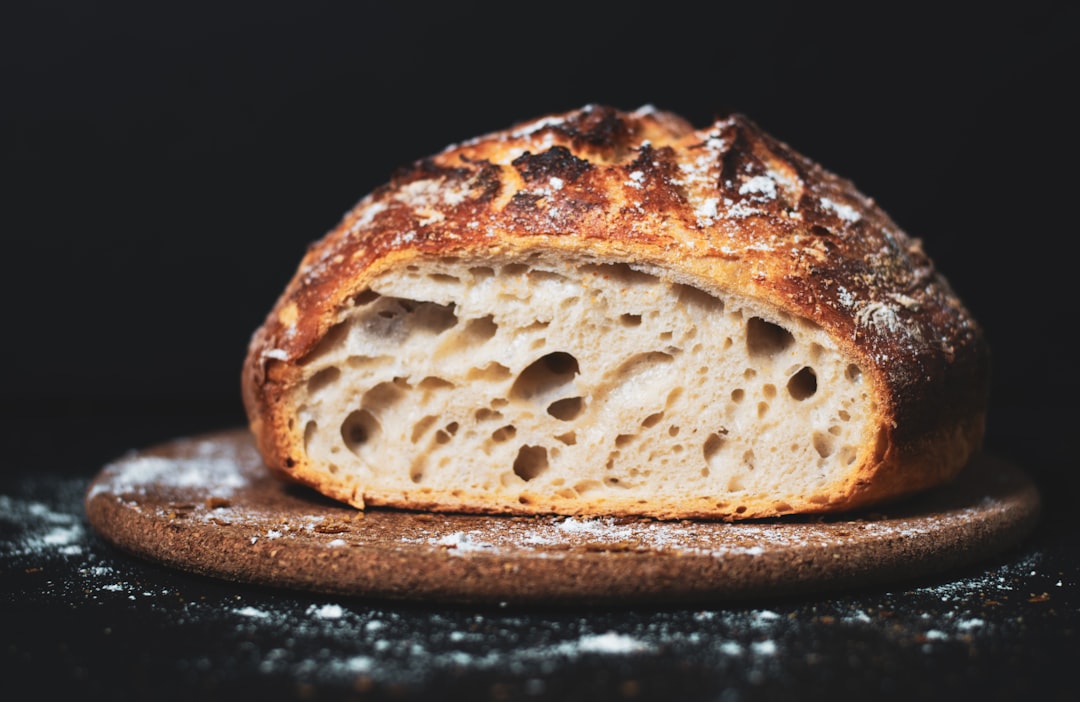
What Does It Mean to Make Homemade Bread?
Making homemade bread means preparing a dough from basic ingredients—typically flour, water, yeast, and salt—and baking it in your own oven. Unlike store-bought loaves, homemade bread allows you to control the quality of ingredients, adjust flavors, and avoid preservatives. It’s a process that combines simple chemistry with hands-on technique.
For many people, the appeal lies in the aroma of freshly baked bread and the satisfaction of creating something from scratch. However, results are not guaranteed to be perfect on the first try. Factors like room temperature, humidity, and yeast activity can affect the outcome. With practice, you’ll learn how to adjust your method.
Why People Search for Homemade Bread Recipes
People search for homemade bread recipes for a variety of reasons. Some want to save money on expensive artisan loaves, while others are looking for a healthier alternative to packaged bread with added sugars and preservatives. Many enjoy the meditative process of kneading dough and watching it rise.
There’s also a growing interest in self-sufficiency and traditional cooking skills. Homemade bread can be a way to connect with family traditions or explore new hobbies. However, requirements may apply depending on your kitchen setup—for example, having a reliable oven and basic mixing tools is helpful.
Whether you’re a complete beginner or someone looking to refine your technique, understanding the basics will help you avoid common frustrations.
Common Ingredients and Tools You’ll Need
Before you start, gather the following ingredients. Options may vary based on dietary needs or preferences.
- Flour: All-purpose or bread flour works best. Whole wheat flour can be used but may require more water.
- Yeast: Active dry yeast or instant yeast. Check the expiration date—old yeast may not activate properly.
- Water: Warm water (around 100–110°F) helps activate the yeast. Too hot can kill it.
- Salt: Essential for flavor and controlling yeast activity.
- Sweetener (optional): A small amount of sugar or honey can feed the yeast and improve browning.
- Fat (optional): Butter, oil, or milk can make the bread softer.
Basic tools include a large mixing bowl, measuring cups, a wooden spoon or dough whisk, a clean surface for kneading, and a loaf pan or baking sheet. A kitchen scale can improve accuracy, but it’s not required.
Step-by-Step Guide to Making Homemade Bread
Follow these steps for a basic white bread loaf. Remember, results are not guaranteed to be identical every time due to environmental factors.
Step 1: Activate the yeast. In a small bowl, combine 1 packet (2 ¼ teaspoons) of active dry yeast with ¼ cup of warm water and 1 teaspoon of sugar. Let it sit for 5–10 minutes until frothy. If it doesn’t foam, the yeast may be inactive.
Step 2: Mix the dough. In a large bowl, combine 3 cups of flour and 1 ½ teaspoons of salt. Add the yeast mixture and 1 cup of warm water. Stir until a shaggy dough forms.
Step 3: Knead the dough. Turn the dough onto a floured surface. Knead for 8–10 minutes, adding flour as needed, until the dough is smooth and elastic. You can also use a stand mixer with a dough hook.
Step 4: Let it rise. Place the dough in a lightly oiled bowl, cover with a damp towel, and let it rise in a warm spot for 1–2 hours, or until doubled in size.
Step 5: Shape the loaf. Punch down the dough to release air. Shape it into a loaf and place it in a greased 9x5-inch loaf pan. Cover and let it rise again for 30–45 minutes.
Step 6: Bake. Preheat your oven to 375°F (190°C). Bake for 30–35 minutes until golden brown. The internal temperature should be around 190°F. Let it cool on a wire rack before slicing.
Common Mistakes to Avoid When Making Bread
Even experienced bakers encounter issues. Here are some frequent pitfalls and how to work around them.
- Using water that’s too hot: This can kill the yeast. Aim for lukewarm water—comfortable to the touch.
- Adding too much flour: This leads to dense bread. Add flour gradually and only until the dough is tacky, not sticky.
- Skipping the second rise: This step helps develop flavor and texture. Don’t rush it.
- Opening the oven too early: This can cause the bread to collapse. Wait until at least 20 minutes of baking time has passed.
- Not measuring accurately: Baking is sensitive to ratios. Using a kitchen scale can improve consistency.
Keep in mind that your environment affects bread. Humidity may require more flour, while dry air may need more water. Adjust as needed.
How to Check Your Bread’s Readiness
Knowing when your bread is fully baked is important for safety and texture. Here are a few ways to check.
- Visual cue: The crust should be golden brown and the loaf should pull away from the sides of the pan.
- Sound test: Tap the bottom of the loaf—if it sounds hollow, it’s likely done.
- Internal temperature: Use a food thermometer. For most breads, 190–200°F is the target. Requirements may apply depending on the recipe.
If you’re unsure, it’s better to bake a few extra minutes than to underbake. Underbaked bread can be gummy inside.
What to Do Next with Your Homemade Bread
Once your bread has cooled, you can enjoy it in many ways. Slice it for toast, use it for sandwiches, or serve it with butter and jam. Homemade bread also freezes well—wrap it tightly and store for up to three months.
If you’re interested in experimenting, try adding herbs, cheese, or seeds to the dough. You can also explore different shapes, like rolls or braided loaves. Remember, options may vary based on your skill level and available ingredients.
For those who want to go further, consider learning about sourdough starters or enriched doughs like brioche. Each type of bread offers a new challenge. Results are not guaranteed, but the journey is part of the fun.
Frequently Asked Questions
Can I use whole wheat flour instead of white flour?
Yes, you can substitute whole wheat flour, but the bread may be denser. Start by replacing half the white flour with whole wheat to maintain a lighter texture. You may also need to add a little more water, as whole wheat absorbs more moisture.
Why didn’t my bread rise?
Several factors can prevent rising. The yeast may be expired, the water may have been too hot or too cold, or the dough may not have been kept in a warm enough environment. Check your yeast’s expiration date and try again with fresh ingredients.
Can I make bread without a bread machine?
Absolutely. This guide uses basic hand-mixing and kneading techniques. A bread machine can simplify the process, but it’s not required. Many bakers prefer the hands-on method for better control over texture and flavor.
How long does homemade bread stay fresh?
Homemade bread typically stays fresh for 2–3 days at room temperature when stored in a bread box or paper bag. For longer storage, slice and freeze it. Avoid plastic bags, as they can make the crust soft and accelerate mold growth.
Can I add ingredients like nuts or dried fruit to the dough?
Yes, you can add up to 1 cup of mix-ins like walnuts, raisins, or sunflower seeds. Add them during the last few minutes of kneading to distribute evenly. Keep in mind that additions may affect the dough’s hydration, so you might need to adjust the flour or water slightly.
Related Searches
- easy homemade bread recipe for beginners
- no-knead bread recipe
- homemade bread without yeast
- whole wheat bread recipe from scratch
- how to make sourdough starter
- quick bread recipes for busy days
- homemade dinner rolls recipe
- gluten-free bread recipe homemade