What Does It Mean to Store Food Properly?
Storing food properly means placing different types of food in the right conditions—such as temperature, humidity, and light—to slow down spoilage and maintain quality. It’s not just about putting leftovers in the fridge. It involves understanding how air, moisture, and bacteria affect your food. For example, some fruits release ethylene gas, which can speed up ripening in nearby vegetables. By separating these items, you can extend their shelf life naturally.
Proper storage also helps you avoid foodborne illnesses. When food is kept at unsafe temperatures or in unclean containers, harmful bacteria can grow quickly. Learning a few basic rules can help you keep your kitchen safer and your groceries fresher.
Why People Search for How to Store Food Properly
Many people look for tips on proper food storage because they want to cut down on waste. According to common estimates, households throw away a significant amount of food each year due to spoilage. Others search because they notice their groceries go bad faster than expected, or they want to save time by prepping meals in advance. Some people are also looking for ways to store food during emergencies or when buying in bulk.
Whatever your reason, the goal is the same: make your food last longer without losing taste or safety. The good news is that most storage solutions are simple and affordable. You do not need special equipment, just a little know-how and consistency.
Common Requirements for Storing Different Foods
Not all foods should be stored the same way. Here are some basic guidelines for common categories:
- Fruits and vegetables: Most vegetables like carrots, lettuce, and broccoli should be kept in the fridge in a crisper drawer. Fruits like bananas, apples, and tomatoes are often better at room temperature until ripe. Keep ethylene-producing fruits (apples, bananas) away from ethylene-sensitive items (leafy greens, berries).
- Dairy and eggs: Store milk, yogurt, and cheese in the main part of the fridge, not the door, where temperatures fluctuate. Eggs should stay in their original carton and be placed on a shelf, not the door.
- Meat, poultry, and seafood: Keep these in the coldest part of the fridge, usually the bottom shelf, to prevent juices from dripping onto other foods. Freeze anything you will not use within a few days.
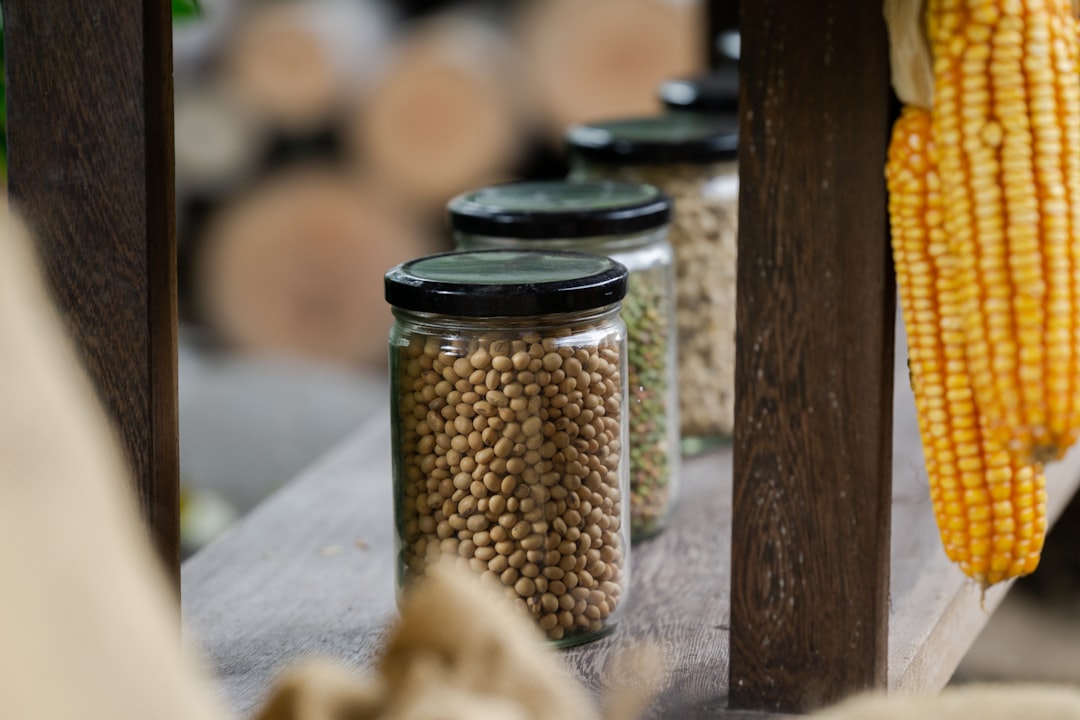
- Dry goods and pantry items: Rice, pasta, flour, and cereals should be kept in airtight containers in a cool, dark place. This prevents pests and moisture from ruining them.
- Leftovers: Cool them quickly (within two hours) and store in shallow containers in the fridge. Use within three to four days, or freeze for longer storage.
These are general tips. Specific foods may have unique needs, so it is always a good idea to check packaging or reliable sources for details.
How to Check Your Current Storage Options
Before you adjust how you store food, take a look at what you already have. Check your refrigerator temperature—it should be at or below 40°F (4°C). Your freezer should be at 0°F (-18°C) or lower. A simple appliance thermometer can help you verify this.
Next, examine your storage containers. Are they clean and airtight? Plastic containers with tight lids, glass jars, and reusable silicone bags work well for most foods. Avoid using containers that are cracked or stained, as they can harbor bacteria. Also, look at your pantry or cabinets. Are they cool and dry? If they are near a stove or in direct sunlight, consider moving your dry goods to a better location.
If you are unsure about a specific food, check its original packaging for storage instructions. Many items include recommended storage methods and use-by dates. Remember, these dates are usually about quality, not safety, except for infant formula. Your own senses—sight, smell, and taste—are often reliable guides.
Common Mistakes to Avoid When Storing Food
Even with good intentions, people often make mistakes that shorten the life of their food. Here are some of the most common ones:
- Overloading the fridge: Too many items block airflow, causing uneven cooling. Leave some space between containers.
- Storing food in the wrong spots: The fridge door is the warmest part, so keep milk and eggs on shelves instead. Potatoes and onions should not be stored together, as they cause each other to spoil faster.
- Washing produce before storage: Moisture encourages mold. Wash fruits and vegetables just before eating, not before putting them away.
- Using open or damaged packaging: Once a bag or box is opened, transfer the contents to a sealed container. This keeps out air, pests, and odors.
- Ignoring the “first in, first out” rule: When you buy new groceries, move older items to the front. This way, you use them before they spoil.
- Freezing food without proper wrapping: Freezer burn happens when air reaches the food. Use freezer-safe bags or wrap items tightly in plastic wrap and foil.
Avoiding these mistakes can make a noticeable difference in how long your food stays fresh. Small adjustments, like keeping your fridge organized, can save you time and money.
What to Do Next for Better Food Storage
Now that you know the basics, start with one area of your kitchen. For example, clean out your fridge and reorganize it using the tips above. Check the temperature and adjust if needed. Then, move to your pantry and transfer open packages into airtight containers.
If you want to go further, consider labeling containers with the date you stored the food. This helps you track freshness and avoid guessing. You can also create a simple system: use clear containers so you can see what is inside, and keep a small list of what needs to be eaten soon.
Remember, storing food properly is a habit. It takes a little practice, but over time it becomes second nature. Results are not guaranteed for every item—some foods naturally spoil faster than others—but following these steps can help you get the most out of your groceries. Check your options and adjust based on your specific kitchen setup and food preferences.
Frequently Asked Questions
How long can leftovers stay in the fridge?
Leftovers are generally safe to eat for three to four days if stored in a sealed container at 40°F or below. If you are not sure, check for off smells or mold. When in doubt, throw it out.
Should I store bread in the fridge?
Bread stored in the fridge tends to dry out faster. It is better to keep it at room temperature in a bread box or sealed bag. For longer storage, freeze bread and toast slices as needed.
Can I store fruits and vegetables together?
Some fruits and vegetables should be kept separate. Fruits like apples, bananas, and tomatoes release ethylene gas, which can cause nearby vegetables to spoil faster. Store ethylene-sensitive items like leafy greens, carrots, and broccoli away from these fruits.
Is it okay to store food in metal containers?
Metal containers are fine for dry goods like flour or sugar, but avoid storing acidic foods (like tomato sauce) in metal for long periods, as they can react with the metal and affect taste. Glass or food-grade plastic is usually safer for most foods.
How can I tell if frozen food is still good?
Frozen food is safe to eat indefinitely if kept at 0°F, but quality may decline over time. If you see ice crystals or freezer burn, the food is still safe but may taste dry or bland. Use frozen items within three to six months for best quality.
Related Searches
- best ways to keep vegetables fresh longer
- food storage tips for emergency preparedness
- how to organize a pantry for freshness
- proper freezer storage techniques
- how to store leftovers safely
- common food storage mistakes at home
- how long does food last in the fridge
- tips for reducing food waste at home