What Does Traveling with Only a Carry-On Really Mean?
Traveling with only a carry-on means limiting your luggage to a bag that fits in the overhead bin or under the seat in front of you. Most airlines allow a carry-on bag plus a personal item, such as a backpack or purse. The goal is to bring everything you need for your trip without checking a suitcase.
This approach works well for short trips, weekend getaways, and even longer journeys if you plan to do laundry or layer clothing. It is not about deprivation but about smart choices and efficient packing.
Why More Travelers Are Choosing to Travel Light
People search for “how to travel light carry on only” because they want to avoid common travel headaches. Checking a bag can mean long waits at baggage claim, lost luggage, or extra fees. Traveling with only a carry-on gives you more control and flexibility.
- You skip the check-in counter and go straight to security.
- You never worry about your bag being lost or delayed.
- You move faster through airports, train stations, and city streets.
- You save money on baggage fees, which can add up quickly.
Many travelers also find that packing lighter reduces stress and helps them focus on the experience rather than their luggage.
Choosing the Right Carry-On Bag
Your bag is the foundation of carry-on travel. Look for a bag that meets most airline size restrictions. Common limits are 22 x 14 x 9 inches for overhead bins, but requirements may vary. Check your airline’s policy before you pack.
Soft-sided bags are often easier to fit into tight spaces. Hard-sided bags offer better protection for fragile items. A backpack with multiple compartments can work well for both urban and outdoor trips. A rolling suitcase with spinner wheels is great for smooth floors but may be harder on cobblestone streets.
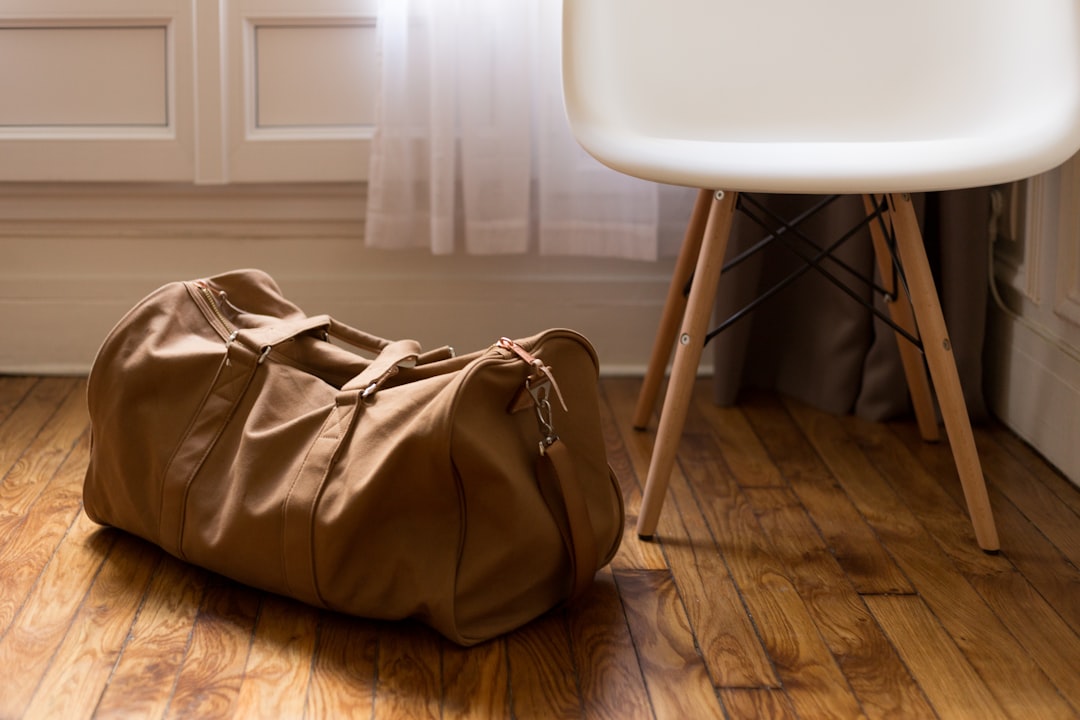
Some travelers prefer a duffel bag or a hybrid pack that converts between backpack and shoulder bag. Options may vary depending on your destination and travel style.
Essential Packing Strategies for Carry-On Only
Packing light requires a few simple strategies that make a big difference. These methods help you fit more into less space without overstuffing.
- Use packing cubes: These small zippered organizers keep clothes compressed and separated. They also make it easy to find items without unpacking everything.
- Roll your clothes: Rolling takes up less space than folding and reduces wrinkles. For bulkier items like sweaters, try the bundle method.
- Wear your heaviest items: If you bring a jacket, boots, or jeans, wear them on travel day. This saves valuable space in your bag.
- Limit shoes: Shoes take up a lot of room. Bring one pair of comfortable walking shoes and one dressier pair if needed. Wear the bulkier pair during travel.
- Choose versatile clothing: Pick items that mix and match easily. Neutral colors and simple layers work best for multiple outfits.
Remember that laundry facilities may be available at your destination. This allows you to pack for fewer days and wash clothes as needed.
Common Mistakes to Avoid When Packing Light
Even experienced travelers sometimes make mistakes when trying to pack carry-on only. Avoiding these common errors will make your trip smoother.
- Overpacking “just in case” items: Packing for every possible scenario leads to a heavy, bulky bag. Stick to what you actually plan to use.
- Bringing too many toiletries: Travel-sized containers are your friend. Many hotels provide shampoo, soap, and conditioner, so you may not need to bring your own.
- Ignoring airline size and weight limits: Even if your bag fits size requirements, weight limits may apply. Check your airline’s rules to avoid surprises at the gate.
- Forgetting to leave room for souvenirs: If you plan to bring things home, leave some empty space or pack a collapsible bag.
- Choosing the wrong bag: A bag that is too small or poorly designed can make packing harder. Test your bag before your trip to ensure it works for you.
Results are not guaranteed for every trip, but avoiding these mistakes will improve your packing experience.
How to Check Your Airline’s Carry-On Policy
Before you finalize your packing, check your airline’s carry-on policy. Rules vary between carriers and even between fare classes. Some budget airlines charge for carry-on bags, while others include them in the ticket price.
Visit the airline’s official website or app to confirm size and weight limits. Many airlines provide a sizer at the gate to test your bag. If your bag does not fit, you may be required to check it, which could result in fees.
If you are flying on multiple airlines during your trip, check each one separately. Requirements may vary, and what works for one airline might not work for another. Some travelers choose to use a personal item only to avoid any risk.
What to Do If Your Carry-On Is Too Heavy or Too Full
Sometimes even careful planning leaves you with a bag that feels too heavy or too full. If this happens, consider these options.
- Remove non-essential items: Look for anything you can leave behind, such as extra books, electronics, or clothing you do not need.
- Wear more layers: If your bag is full, put on an extra shirt or jacket. This frees up space and keeps you comfortable.
- Use a personal item wisely: A backpack or tote under the seat can hold heavier items like a laptop, water bottle, or snacks.
- Ship items ahead: For longer trips, consider mailing some items to your destination. This is not always practical but can be useful for specific needs.
If you are unsure about weight limits, use a luggage scale before leaving home. This simple tool can save you time and money at the airport.
Next Steps: Plan Your First Carry-On Only Trip
Now that you understand the basics, try planning a short trip with only a carry-on. Start with a weekend getaway to test your packing system. Make a list of what you actually use and what you can leave behind next time.
As you gain experience, you will learn what works best for your travel style. Some people prefer ultralight backpacking gear, while others stick with a small roller bag. There is no single right way to travel light. The key is to find what helps you move freely and enjoy your trip.
If you are planning a longer journey, consider how to do laundry on the road. Many hostels, hotels, and laundromats offer washing services. This allows you to pack for a week or less, even on a month-long trip.
Frequently Asked Questions
Can I really travel for a week with only a carry-on?
Yes, many people travel for a week or more with only a carry-on. The key is to pack versatile clothing, plan for laundry if needed, and limit bulky items like shoes and toiletries. Results are not guaranteed for every destination, but it is possible for most trips.
What size carry-on bag is allowed on most airlines?
Most airlines allow a carry-on bag up to 22 x 14 x 9 inches, but requirements may vary. Budget carriers often have smaller limits. Always check your specific airline’s policy before you pack.
Do I need packing cubes to travel light?
Packing cubes are not required, but they help many travelers stay organized and compress clothing. If you prefer a simpler approach, rolling clothes or using compression bags can work just as well.
How many pairs of shoes should I bring on a carry-on trip?
Most travel experts recommend two pairs: one for walking and one for dressier occasions. Wear the bulkier pair during travel to save space in your bag. For very short trips, one pair may be enough.
What if my carry-on is too heavy at the gate?
If your bag exceeds weight limits, you may be asked to check it. To avoid this, use a luggage scale before leaving home. You can also transfer heavy items to your personal item or remove non-essential items.
Related Searches
- minimalist packing tips for travel
- how to pack a carry-on for 10 days
- best carry-on luggage for international travel
- travel light without checking a bag
- packing cubes vs compression bags
- what to wear on a long flight carry-on only
- carry-on only packing list for Europe
- how to avoid baggage fees