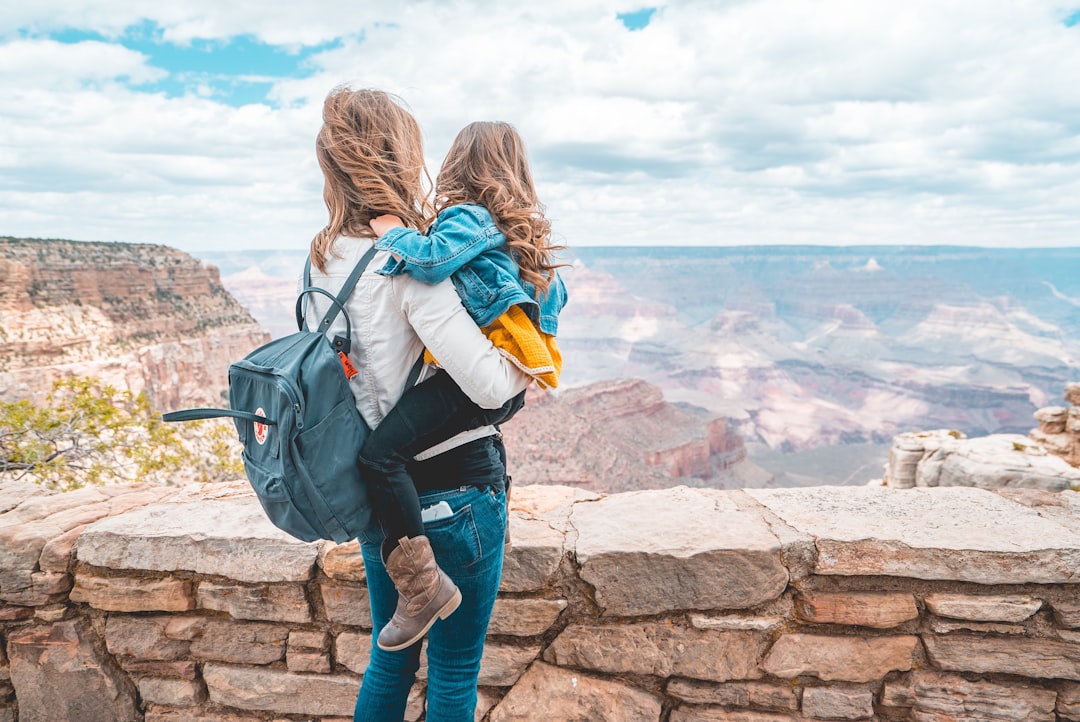
What Does It Mean to Travel with Kids?
Traveling with kids means planning and executing a trip that accommodates the needs of children while still allowing adults to enjoy the experience. It involves more than just booking a flight and a hotel. You have to think about nap schedules, meal times, entertainment, and safety. The goal is not perfection but creating manageable, memorable moments. Many parents search for "how to travel with kids" because they want to reduce stress and avoid common pitfalls. The key is to adjust your expectations and focus on flexibility.
Why Parents Search for Travel Tips with Children
Most parents search for this topic because they feel anxious about the unknown. Common concerns include:
- Will my child behave on a long flight?
- How do I pack light but still have everything we need?
- What if my child gets sick or has a tantrum in public?
- Are there destinations that are genuinely kid-friendly?
These are valid worries. The search for "how to travel with kids" often comes from a desire to maintain some sense of control. While no trip is guaranteed to go smoothly, understanding what to expect can reduce fear. Remember that results are not guaranteed, but preparation improves your chances of a smoother trip.
Common Requirements and Factors to Consider
Before you book anything, consider the following factors. Requirements may vary depending on your destination, airline, and your child’s age.
- Travel documents: Children need passports or visas for international travel. Check your country’s passport office for processing times. Some destinations may require a birth certificate for minors.
- Health preparations: Visit your pediatrician before long trips. Vaccination requirements may apply in some areas. Pack a basic first-aid kit with fever reducers, bandages, and allergy medication.
- Accommodation policies: Not all hotels or rentals are child-friendly. Look for places that offer cribs, kitchenettes, or play areas. Policies may differ, so always confirm directly.
- Transportation rules: Car seat and booster seat laws vary by country. Airlines have different rules for lap infants and carry-on allowances. Check your airline’s website before packing.
Eligibility for certain travel benefits, like priority boarding or discounted tickets, may depend on the airline or tour operator. Options may vary, so it is wise to compare a few providers.
How to Check Available Options for Your Family Trip
When planning a trip with kids, you have several ways to check what is available. Start by using search engines with filters for "family-friendly" or "kids stay free." Here are practical steps:
- Use travel aggregator sites: Websites like Kayak or Skyscanner let you filter by amenities such as "children’s pool" or "crib available."
- Read recent reviews: Look for reviews from other families with children of similar ages. Avoid relying on a single review; read several to get a balanced view.
- Contact providers directly: Call the hotel or airline to ask about specific needs. For example, ask if they offer early check-in for naptime or if they have a kids’ menu.
- Check local tourism boards: Many destinations have official websites listing child-friendly attractions, parks, and restaurants. This information is often free and reliable.
Remember that availability can change quickly. Check your status on reservations a few days before departure to avoid surprises. Some discounts or upgrades are only available in some areas, so always confirm.
Common Mistakes to Avoid When Traveling with Kids
Even experienced parents make mistakes. Here are common ones to watch out for:
- Overpacking: Bringing too many toys or clothes creates heavy luggage and stress. Pack versatile clothing and one or two favorite comfort items.
- Skipping rest days: Trying to see everything in one trip leads to exhaustion. Build in downtime for naps or quiet activities.
- Ignoring meal times: Hungry kids are cranky kids. Carry healthy snacks like crackers, fruit pouches, and water bottles. Avoid heavy sugar before travel.
- Not planning for delays: Flights and trains can be late. Have a backup plan, such as a portable game or a downloaded movie.
- Forgetting to involve older kids: Let children help choose activities. This increases their engagement and reduces resistance.
No plan is perfect. Mistakes happen, and that is okay. The goal is to learn and adjust. Results are not guaranteed, but avoiding these errors can make your trip more enjoyable.
What to Do Next: Steps for a Smoother Trip
After you have gathered information, take these steps to move forward:
- Create a loose itinerary: List 2–3 must-do activities per day. Leave room for spontaneity.
- Pack a carry-on with essentials: Include a change of clothes for each child, wet wipes, diapers (if needed), electronics, and snacks.
- Prepare your child mentally: Talk about the trip in simple terms. Show pictures of the airplane or hotel room to reduce anxiety.
- Set realistic expectations: Accept that some parts of the trip may not go as planned. Your child may cry, get tired, or refuse to eat new foods. That is normal.
- Check for last-minute updates: Review weather forecasts, flight status, and local health advisories before departure.
Traveling with kids does not have to be perfect. Focus on connection, flexibility, and safety. If something goes wrong, take a deep breath and move on. Many families find that the best memories come from unexpected moments.
Frequently Asked Questions
At what age is it easiest to travel with kids?
There is no single best age. Infants under six months are portable and sleep often, but they require frequent feeding and diaper changes. Toddlers may be more challenging due to tantrums. School-age children can follow instructions but may get bored. Each stage has trade-offs. Choose a trip style that matches your child’s current needs.
How do I keep my child entertained on a long flight?
Bring a mix of activities: a tablet with downloaded shows, coloring books, stickers, and small toys that are new to them. Do not rely on a single item. Rotate activities every 20–30 minutes. Also, walk the aisle with your child if allowed. Snacks can also serve as entertainment.
Should I buy travel insurance for my family?
Travel insurance may be a good idea, especially for international trips. It can cover trip cancellations, medical emergencies, and lost luggage. However, policies vary. Read the fine print to see what is covered for children. Some credit cards also offer limited travel protection. Check your options before purchasing.
What should I pack for a road trip with kids?
Pack a separate bag for the car. Include snacks, drinks, wet wipes, a first-aid kit, sun protection, and a blanket. Bring a portable potty if your child is potty training. Also, have a bag of quiet toys and a tablet for longer stretches. Plan stops every two hours for bathroom breaks and stretching.
How can I save money when traveling with kids?
Look for accommodations with kitchen facilities to save on meals. Book flights on weekdays or during off-peak seasons. Many museums and attractions offer free entry for children under a certain age. Also, consider using public transportation instead of taxis. Discounts may be available in some areas, so always ask.
Related Searches
- family travel tips for beginners
- best kid-friendly vacation destinations
- how to pack for a trip with toddlers
- traveling with kids on a budget
- tips for flying with a baby
- road trip essentials for children
- how to manage jet lag in kids
- safe travel activities for young children