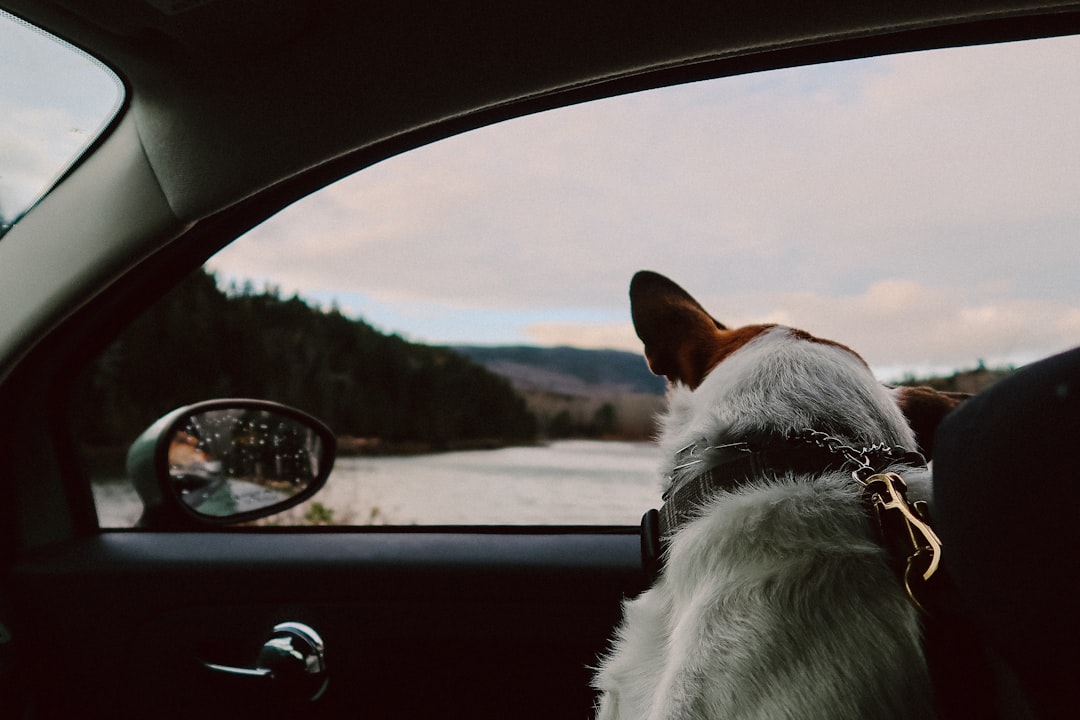
What Does Traveling with Pets Involve?
Traveling with pets means bringing your dog, cat, or other animal companion along on a trip, whether by car, plane, train, or boat. It involves preparing your pet for the journey, meeting transport requirements, and ensuring their well-being throughout the trip. Many pet owners search for “how to travel with pets” because they want to avoid common issues like anxiety, motion sickness, or being denied boarding.
The process varies depending on the mode of transport, destination, and type of pet. For example, flying with a pet requires different documentation than driving. Understanding these differences helps you plan effectively and reduces stress for both you and your animal.
Why People Search for Pet Travel Tips
Pet owners often search for guidance on traveling with pets because they want to include their furry friends in family adventures or need to relocate. Common reasons include:
- Moving to a new home across states or countries
- Taking a vacation without leaving the pet behind
- Visiting family or friends who are pet-friendly
- Attending events like dog shows or veterinary appointments
Many people also worry about safety, legal requirements, and finding pet-friendly accommodations. By learning how to travel with pets properly, you can avoid last-minute surprises and ensure a positive experience for everyone.
Key Requirements for Traveling with Pets
Before you hit the road or book a flight, you need to check several requirements. These may vary based on your destination, transport type, and your pet’s health. Keep in mind that requirements may apply differently depending on your location and the airline or carrier you choose.
- Vaccinations and health certificates: Many airlines and countries require up-to-date rabies vaccinations and a health certificate from a licensed veterinarian issued within 10 days of travel.
- Microchipping: Some destinations require your pet to have a microchip for identification. Check specific rules for international travel.
- Crate or carrier standards: Airlines often have strict size and material requirements for pet carriers. Measure your pet and carrier carefully to avoid issues at the gate.
- Leash and harness: Even for car travel, a secure harness or seat belt attachment is recommended to keep your pet safe.
Your options may vary depending on where you live and the transport provider. Always verify directly with the airline, train company, or border control for the most accurate information.
How to Check Available Travel Options for Pets
To find out what’s available for your specific trip, start by researching the policies of your chosen transport method. Here’s a simple checklist:
- Visit the official website of the airline, bus company, or train service. Look for a “Traveling with Pets” section.
- Call customer service to ask about pet fees, size limits, and breed restrictions.
- For international travel, check the destination country’s embassy or agricultural department website for import rules.
- Read recent traveler reviews on forums or social media groups to learn about real experiences.
Remember that availability is not guaranteed for every route or date. Some airlines limit the number of pets per flight, so book early. If you’re unsure about your pet’s eligibility, consult your veterinarian for guidance.
Common Mistakes to Avoid When Traveling with Pets
Even experienced pet owners can make errors when planning a trip. Avoid these common pitfalls to keep your journey smooth:
- Skipping the vet visit: A last-minute health check can reveal issues that might prevent travel, like an ear infection or unexpired vaccinations.
- Not acclimating your pet to the carrier: Introduce the carrier weeks in advance with treats and short practice sessions to reduce anxiety.
- Overlooking temperature rules: Many airlines won’t allow pets in cargo if temperatures are too high or low. Check seasonal restrictions.
- Forgetting food and water: Pack portable bowls, enough food for the trip, and a water bottle. Avoid feeding your pet right before travel to prevent motion sickness.
- Ignoring sedation risks: Sedating pets for travel is not recommended by most veterinarians, as it can affect breathing and balance. Ask your vet about safe alternatives.
Mistakes can lead to denied boarding, health problems, or added stress. Taking time to prepare helps you avoid these issues.
What to Do Next: Steps for a Successful Trip
Once you understand the basics of how to travel with pets, follow these steps to finalize your plans:
- Book early: Reserve your pet’s spot on the plane or train as soon as possible. Some carriers have limited spaces.
- Pack a pet travel kit: Include food, water, bowls, waste bags, a first-aid kit, favorite toys, and a blanket with familiar scents.
- Plan rest stops: For road trips, schedule breaks every 2–3 hours for bathroom, hydration, and stretching.
- Confirm accommodations: Ensure your hotel, rental, or campground is pet-friendly. Look for hidden fees or weight restrictions.
- Stay calm: Pets pick up on your energy. Speak in a soothing voice and reward good behavior with treats.
Remember that results are not guaranteed—even with careful planning, your pet may still feel nervous. Be patient and flexible. If you encounter problems, adjust your itinerary or consult a professional pet travel service.
Frequently Asked Questions
Can I take my pet on an airplane in the cabin?
Yes, many airlines allow small dogs and cats in the cabin if they fit in an approved carrier under the seat. Weight and size limits vary, so check the airline’s policy. Larger pets may need to travel in the cargo hold, where requirements may apply for temperature and ventilation.
What documents do I need to travel internationally with my pet?
You typically need a valid rabies vaccination certificate, a health certificate from a USDA-accredited veterinarian, and sometimes an import permit. Requirements depend on the destination country. Some nations also require a microchip and blood titer test. Check your destination’s official government website for details.
How do I keep my pet calm during travel?
Familiar items like a favorite blanket or toy can help. Play soft music or white noise in the car. Avoid loud environments. Some pets benefit from pheromone sprays or calming treats, but consult your vet before using any product. Do not sedate your pet without veterinary approval.
Are there breed restrictions for flying with pets?
Yes, some airlines restrict brachycephalic (flat-faced) breeds like bulldogs, pugs, and Persian cats due to breathing risks in cargo. Even in-cabin travel may have restrictions. Check with your airline before booking. If your breed is restricted, consider alternative transport like driving or a pet-specific shipping service.
What should I do if my pet gets sick during travel?
Stop safely if possible and offer water. Do not force your pet to eat. If symptoms persist, locate a nearby veterinarian. Carry your pet’s medical records and your vet’s contact information. For severe signs like vomiting, diarrhea, or difficulty breathing, seek emergency care immediately.
Related Searches
- pet-friendly airlines comparison
- how to travel with a dog in a car
- international pet travel requirements by country
- best pet carriers for air travel
- pet travel anxiety solutions
- road trip with a cat tips
- pet health certificate for travel
- pet-friendly hotels near me