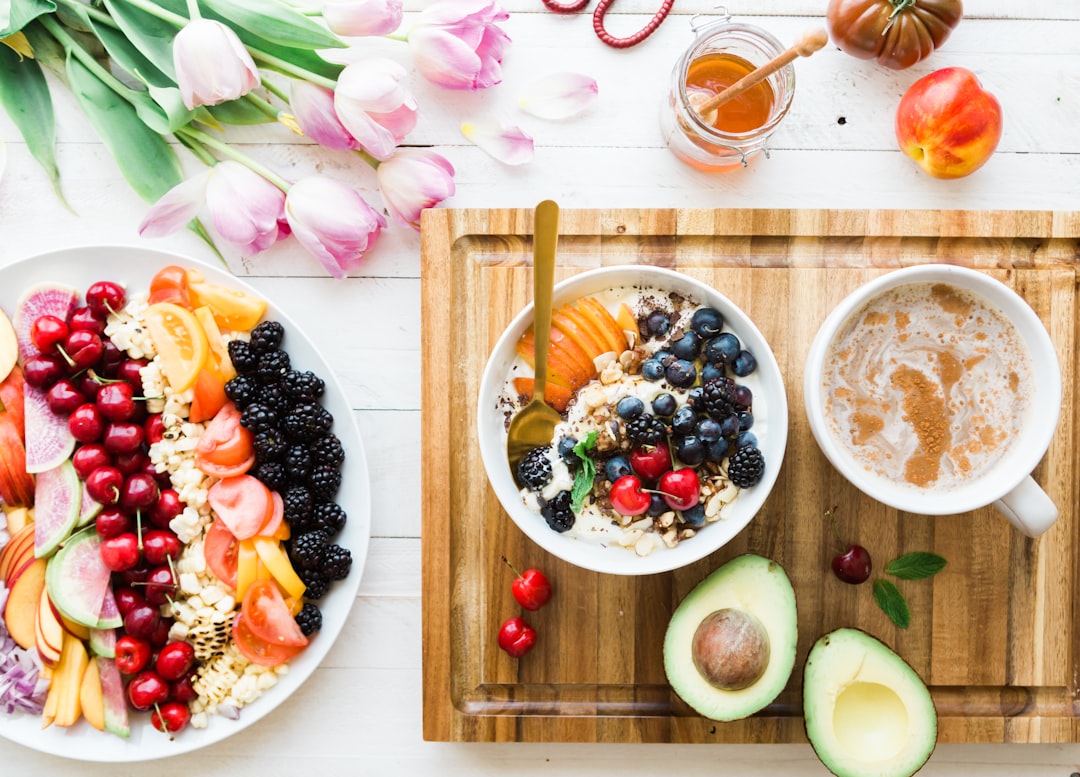
What Does a Plant Based Diet Really Mean?
A plant-based diet focuses on foods primarily from plants. This includes fruits, vegetables, nuts, seeds, oils, whole grains, legumes, and beans. It doesn’t mean you have to be vegan or vegetarian forever. Some people use a plant-based diet to reduce meat intake, while others adopt it fully.
The key idea is to make plants the star of your plate. You can still include small amounts of animal products if that works for you. The goal is to increase nutrient-rich foods and reduce processed options.
Many people search for the best plant based diet tips because they want better energy, improved digestion, or support for long-term health. Understanding the basics helps you avoid confusion and stay consistent.
Why People Choose a Plant Based Diet
There are several common reasons people explore plant-based eating. Some want to support better heart health, while others look for weight management support. Many also choose this path for environmental or ethical reasons.
It’s important to note that results are not guaranteed for everyone. Individual experiences vary based on genetics, lifestyle, and overall diet quality. However, many find that increasing plant foods helps them feel more energetic and satisfied.
If you are considering this change, start with small steps. You may notice improvements in how you feel, but it’s wise to consult a healthcare professional before making major dietary shifts, especially if you have existing health conditions.
Essential Tips for a Balanced Plant Based Diet
To get the most from a plant-based diet, focus on variety and whole foods. Here are some practical best plant based diet tips to keep you on track:
- Start with one meal a day. Replace meat or dairy at breakfast or lunch with plant-based alternatives like oatmeal, smoothies, or bean salads.
- Eat the rainbow. Include different colored vegetables and fruits to get a wide range of vitamins and antioxidants.
- Don’t skip protein. Lentils, chickpeas, tofu, tempeh, and quinoa are excellent sources. You may need to plan your meals to meet your protein needs.
- Include healthy fats. Avocados, nuts, seeds, and olive oil help your body absorb nutrients and keep you full.
- Watch for hidden additives. Some plant-based packaged foods can be high in sodium, sugar, or unhealthy oils. Read labels carefully.
- Stay hydrated. Fiber-rich diets require more water to support digestion.
These tips are not a guarantee of weight loss or improved health, but they provide a solid foundation for most people. Your results may depend on portion sizes, activity level, and overall calorie intake.
Common Mistakes to Avoid When Going Plant Based
Even with the best intentions, beginners often make a few missteps. Avoiding these common errors can make your transition smoother:
- Relying too heavily on processed substitutes. Vegan burgers, cheese, and snacks are convenient but may lack nutrients. Use them occasionally, not daily.
- Forgetting about vitamin B12. This nutrient is mostly found in animal products. Consider fortified foods or a supplement after checking with your doctor.
- Not eating enough calories. Plant foods are often less calorie-dense. Make sure you eat enough to maintain your energy levels.
- Ignoring iron and calcium. Leafy greens, beans, and fortified plant milks can help. Pair iron-rich foods with vitamin C (like lemon juice) for better absorption.
- Thinking it’s all or nothing. You don’t have to be perfect. Even small changes can make a difference over time.
Remember, dietary options may vary based on your location, budget, and personal preferences. What works for one person may not work for another.
How to Check Your Options and Plan Ahead
Before fully committing, take time to explore what’s available in your area. Check your local grocery store for fresh produce, legumes, and plant-based staples. Many stores now carry tofu, tempeh, and plant milks.
If you have specific health concerns, check your status with a doctor or dietitian. They can help you determine if you may be eligible for certain dietary adjustments or supplements. Requirements may apply depending on your age, activity level, and medical history.
Planning your meals for the week can save time and reduce stress. Start with simple recipes like vegetable stir-fries, lentil soups, or grain bowls. You can gradually expand your cooking skills as you become more comfortable.
What to Do Next: Simple Steps Forward
If you’re ready to try a plant-based diet, begin with one or two changes per week. For example, try a meatless Monday or swap cow’s milk for oat milk in your coffee. Small steps build confidence and make the transition feel natural.
Keep a food journal for a few days to see where you can add more plants. You may be surprised how easy it is to include a handful of spinach in a smoothie or add beans to a salad.
Also, connect with online communities or local groups that share plant-based recipes and support. Learning from others can keep you motivated. Just remember that results are not guaranteed, and your journey is unique to you.
Frequently Asked Questions
Can I get enough protein on a plant based diet?
Yes, you can get enough protein from plants. Foods like lentils, chickpeas, tofu, tempeh, quinoa, and nuts are rich in protein. Eating a variety of these throughout the day helps meet your needs. If you are very active, you may need to plan your meals more carefully.
Do I need to take supplements on a plant based diet?
Some people may benefit from supplements, especially vitamin B12, vitamin D, and omega-3s. It depends on your individual diet and health status. Consult a healthcare professional to check your status and determine if supplements are right for you.
Will I lose weight on a plant based diet?
Weight loss is possible but not guaranteed. A plant-based diet can be lower in calories if you focus on whole foods, but it still depends on portion sizes and overall calorie intake. Some people may maintain or even gain weight depending on their food choices.
Is a plant based diet safe for children and pregnant women?
It can be safe with careful planning. Children and pregnant women have higher nutrient needs, so it’s important to include enough protein, iron, calcium, and B12. Always consult a doctor or dietitian before making significant dietary changes for these groups.
How do I handle cravings for meat or dairy?
Cravings are normal when changing habits. Try plant-based alternatives like veggie burgers, nut-based cheeses, or creamy cashew sauces. Sometimes cravings pass within a few weeks as your taste buds adjust. Eating satisfying meals with enough protein and fat can also help reduce cravings.
Related Searches
- easy plant based meal prep ideas
- plant based diet for beginners grocery list
- high protein plant based foods list
- plant based diet benefits and risks
- plant based vs vegan difference
- affordable plant based diet tips
- plant based breakfast recipes without eggs
- how to transition to a whole food plant based diet