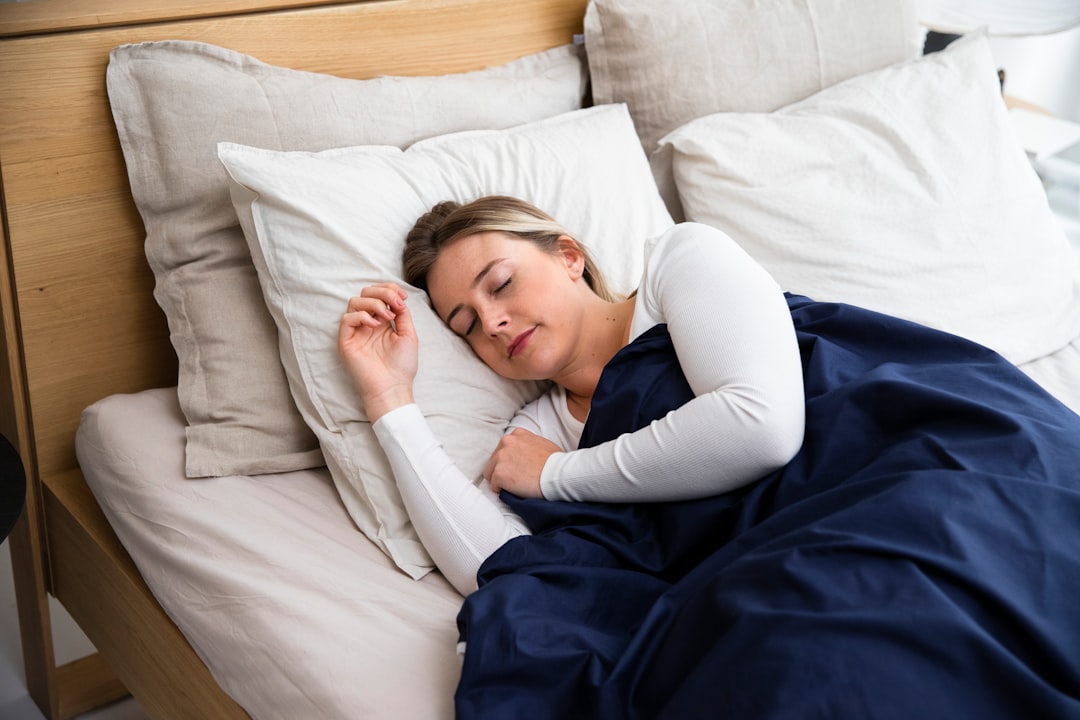
What Is Sleep Hygiene and Why Does It Matter?
Sleep hygiene refers to the habits and environmental factors that support consistent, restorative sleep. Think of it as a set of practices that prepare your body and mind for rest. Unlike a quick fix or a magic pill, good sleep hygiene is built over time through small, repeatable actions.
When your sleep hygiene is poor, you may find it harder to fall asleep, stay asleep, or wake up feeling rested. Common signs include daytime fatigue, irritability, and difficulty concentrating. By improving your sleep hygiene, you give your body the best chance to recover and recharge each night.
It’s important to remember that results are not guaranteed overnight. Everyone’s sleep needs vary, and what works for one person may not work for another. However, most people see gradual improvements when they stick with healthy routines.
Why Do People Search for Better Sleep Hygiene?
People search for tips on sleep hygiene for many reasons. Some are dealing with chronic stress or anxiety that keeps their mind racing at night. Others have irregular work schedules, like shift work, that disrupt their natural sleep-wake cycle. Many simply want to improve their overall health, since sleep affects everything from mood to immune function.
There is also growing awareness that sleep is as important as diet and exercise. With more information available online, people are looking for practical, safe ways to sleep better without relying on medication. They want strategies that are easy to follow and don’t require expensive equipment.
If you fall into any of these categories, you’re not alone. The good news is that you can start making small changes today to see if they help.
Common Requirements for Good Sleep Hygiene
Good sleep hygiene doesn’t require a perfect bedroom or a strict bedtime. But there are a few basic elements that most experts agree on:
- Consistency: Try to go to bed and wake up at the same time every day, even on weekends. This helps regulate your body’s internal clock.
- Environment: Your bedroom should be cool, dark, and quiet. Consider blackout curtains, earplugs, or a white noise machine if needed.
- Pre-bed routine: Spend 30–60 minutes winding down before sleep. This could include reading, gentle stretching, or listening to calm music.
- Limit stimulants: Avoid caffeine, nicotine, and heavy meals close to bedtime. Alcohol may help you fall asleep but often disrupts sleep later in the night.
- Screen time: Reduce exposure to screens (phones, tablets, TVs) at least 30 minutes before bed. The blue light can interfere with melatonin production.
These factors are not strict rules—they are guidelines. Your specific needs may vary, and it’s okay to adjust them to fit your lifestyle.
How to Check Your Current Sleep Habits
Before making changes, it helps to understand where you stand. You can start by keeping a simple sleep diary for one to two weeks. Write down:
- What time you went to bed and woke up
- How long it took you to fall asleep
- How many times you woke up during the night
- How rested you felt in the morning
- Any foods, drinks, or activities before bed
This record can reveal patterns. For example, you might notice that you sleep better on days when you exercise in the morning, or that caffeine after 3 p.m. keeps you awake. Once you identify patterns, you can focus on one or two changes at a time.
There are also free sleep tracking apps available in some areas that can help monitor your sleep stages. However, these tools are not medical devices and should not replace professional advice if you have a serious sleep disorder.
Common Mistakes to Avoid When Improving Sleep Hygiene
Even with good intentions, people often make mistakes that undermine their efforts. Here are a few to watch out for:
- Expecting instant results: Better sleep hygiene takes time. You may not notice changes in the first few nights. Stick with it for at least two weeks.
- Overcorrecting: Drastically changing your bedtime or routine can backfire. Make gradual adjustments instead.
- Using sleep as a reward: Some people try to “catch up” on sleep over the weekend. This can confuse your body’s clock and make weekday sleep harder.
- Ignoring underlying issues: If you have chronic insomnia, sleep apnea, or other medical conditions, sleep hygiene alone may not resolve them. Check your status with a healthcare provider if symptoms persist.
- Relying on sleep aids: Over-the-counter or prescription sleep medications may help short-term, but they are not a substitute for healthy habits. Options may vary, and requirements may apply for long-term use.
Avoiding these pitfalls can help you stay on track and see better results over time.
What to Do Next: Simple Steps to Get Started
If you’re ready to improve your sleep hygiene, here’s a simple plan to begin:
- Pick one habit to change. Start with something small, like turning off screens 30 minutes before bed.
- Set a consistent wake-up time. This is often more important than your bedtime. Your body will naturally adjust.
- Make your bedroom a sleep-only zone. Avoid working, eating, or watching TV in bed.
- Get natural light early in the day. Exposure to sunlight in the morning helps regulate your circadian rhythm.
- Be patient. Track your progress and adjust as needed. If a change doesn’t work, try something else.
Remember, you are not required to follow every tip perfectly. Even small improvements can lead to better rest over time. If you continue to struggle, consider speaking with a doctor or sleep specialist. Available options may vary depending on your location and health status.
Frequently Asked Questions
How long does it take to improve sleep hygiene?
Most people start noticing small improvements within one to two weeks of consistent practice. However, results are not guaranteed and may take longer for some individuals. The key is to stick with healthy habits even if you don’t see immediate changes.
Can sleep hygiene help with insomnia?
Good sleep hygiene can be helpful for mild to moderate insomnia, but it is not a cure. If you have chronic insomnia, you may need to combine sleep hygiene with other treatments, such as cognitive behavioral therapy or medical guidance. Check your status with a healthcare provider for personalized advice.
Is it okay to nap during the day?
Short naps (20–30 minutes) can be refreshing for some people, but long or late-afternoon naps may interfere with nighttime sleep. If you nap, try to do it earlier in the day and keep it brief. Options may vary based on your schedule and sleep needs.
Does exercise improve sleep hygiene?
Yes, regular physical activity often helps people fall asleep faster and enjoy deeper sleep. However, vigorous exercise too close to bedtime may keep some people awake. Try to finish workouts at least two to three hours before bed.
What if I still can’t sleep after trying these tips?
If you’ve tried sleep hygiene tips for several weeks and still have trouble sleeping, it may be time to speak with a doctor. There could be an underlying condition like sleep apnea, restless legs syndrome, or anxiety that needs attention. Requirements for diagnosis and treatment may apply, and options may vary by area.
Related Searches
- natural ways to fall asleep faster
- best bedtime routine for adults
- how to fix your sleep schedule
- foods that help you sleep better
- melatonin supplements and sleep hygiene
- sleep hygiene for shift workers
- how to create a relaxing bedroom environment
- signs you have poor sleep hygiene