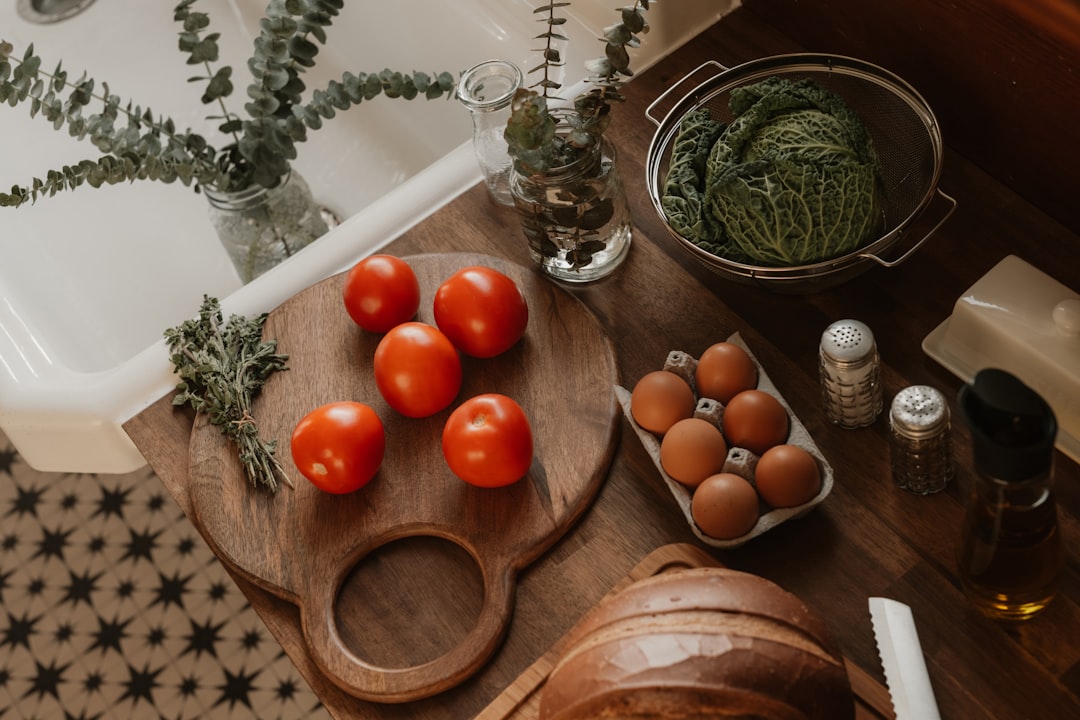
What Does Reducing Food Waste at Home Mean?
Reducing food waste at home means using the food you purchase or grow more efficiently so that less ends up in the trash. It involves planning meals, storing ingredients correctly, and finding creative ways to use leftovers. Many households throw away edible food simply because it spoils before they get a chance to eat it.
By making small changes in how you shop, store, and cook, you can significantly cut down on waste. This approach not only helps the planet by reducing methane emissions from landfills but also keeps more money in your pocket.
Why Do People Search for Ways to Reduce Food Waste?
People search for this topic for several practical reasons. Rising grocery costs make every wasted item feel like a loss. Many also feel concerned about environmental issues and want to do their part. Others simply dislike throwing away food they paid for.
Common triggers include:
- Seeing spoiled produce in the fridge
- Feeling guilty about throwing away leftovers
- Wanting to save money on groceries
- Hearing about food waste statistics in the news
- Trying to live a more sustainable lifestyle
Whatever your reason, the steps below are designed to be realistic and achievable for most households.
Plan Your Meals and Make a Smart Shopping List
The most effective way to reduce food waste starts before you even step into a store. Meal planning helps you buy only what you actually need. Take a few minutes each week to look at your schedule and decide what meals you will prepare.
Check your pantry, fridge, and freezer first. Use up items that are close to their expiration date before buying new ones. Then, create a shopping list based on your meal plan. Stick to this list when you shop to avoid impulse buys that often go unused.
Tips for better planning:
- Plan for at least two meals that use similar ingredients
- Include a "use it up" night for leftovers
- Buy fresh produce in smaller quantities more often
- Consider frozen or canned options for longer shelf life
Store Food Properly to Keep It Fresh Longer
Correct storage is key to extending the life of your food. Many people store fruits and vegetables the wrong way, causing them to spoil faster. For example, apples give off ethylene gas that can ripen and rot nearby produce like lettuce or broccoli.
General storage guidelines:
- Keep ethylene-producing fruits (apples, bananas, tomatoes) separate from sensitive produce (leafy greens, berries, peppers)
- Store herbs with stems in a glass of water, covered loosely with a plastic bag
- Use airtight containers for opened packaged foods
- Keep your fridge temperature at or below 40°F (4°C)
- Store potatoes and onions in a cool, dark, dry place, not together
Learning which foods belong in the fridge versus the pantry can make a noticeable difference. Results are not guaranteed for every item, but these methods may help extend freshness.
Understand Date Labels and Use Your Senses
Date labels on food packages can be confusing. Terms like "sell by," "best by," and "use by" are not always about safety. Many foods are still safe to eat past these dates if stored properly.
Instead of relying only on printed dates, use your senses. Check for off smells, unusual textures, or visible mold. For example, yogurt often stays good for a week or more past its "best by" date. Eggs can be tested by placing them in water—if they sink, they are still fresh; if they float, they may be old.
Common date label meanings:
- "Sell by" – for store inventory, not safety
- "Best by" – for peak quality, not safety
- "Use by" – the last date recommended for peak quality
When in doubt, trust your nose and eyes. But always discard food if you suspect it is spoiled.
Get Creative with Leftovers and Scraps
Leftovers and food scraps can be turned into new meals instead of being thrown away. This is one of the easiest ways to reduce food waste at home. Cooked vegetables can go into soups, stir-fries, or frittatas. Stale bread makes excellent croutons or breadcrumbs.
Ideas for using common scraps:
- Vegetable peels and ends – boil for homemade stock
- Herb stems – chop finely and add to sauces or dressings
- Overripe bananas – freeze for smoothies or bake into bread
- Cooked rice or pasta – turn into fried rice or pasta bakes
- Citrus peels – zest and freeze for baking or tea
You do not need special skills to repurpose leftovers. Simple recipes often work best. Options may vary depending on what you have on hand.
Common Mistakes People Make When Trying to Reduce Waste
Even with good intentions, people often make mistakes that lead to more waste. Being aware of these can help you avoid them.
- Buying in bulk without a plan – large packages of perishable items often spoil before you can use them
- Overfilling the fridge – poor air circulation causes food to spoil faster
- Ignoring the freezer – many foods freeze well but are forgotten
- Not rotating pantry items – older items get pushed to the back and expire
- Throwing away perfectly edible parts – like broccoli stems or beet greens
Check your habits regularly. Small adjustments, like keeping a "eat me first" box in the fridge, can help you stay on track.
What to Do Next: Start Small and Stay Consistent
You do not need to overhaul your entire kitchen overnight. Begin with one or two changes that feel manageable. For example, start by planning just three dinners per week or by storing produce correctly. Once those become habits, add another step.
Track your progress by noticing how much less trash you produce each week. You may also see savings on your grocery bill over time. Remember that results are not guaranteed for every household, but many people find these methods helpful.
If you are looking for more ideas, consider checking local community resources like food waste reduction programs. Some areas offer workshops or composting services. Requirements may apply, and availability can vary.
Frequently Asked Questions
How can I keep vegetables fresh longer?
Store vegetables in the crisper drawer with high humidity. Keep them dry and avoid washing them until just before use. Use paper towels inside containers to absorb excess moisture. Leafy greens last longer when stored with a dry paper towel in a sealed bag.
Is it safe to eat food past the expiration date?
It depends on the food. Hard cheeses, yogurt, eggs, and many packaged goods are often safe for days or even weeks past the date if stored properly. Always check for signs of spoilage like mold, off smells, or texture changes. When in doubt, throw it out.
What is the best way to store bread so it does not go stale?
Bread stays fresh longest at room temperature in a bread box or paper bag. For longer storage, freeze bread in a sealed plastic bag. Avoid refrigerating bread, as it dries out faster. To revive stale bread, sprinkle it with water and warm it in the oven.
Can I compost food scraps at home?
Yes, composting is a great option for scraps like fruit peels, coffee grounds, and eggshells. You can use a backyard bin or a countertop composter. Some cities also offer curbside composting programs. Check your local regulations, as requirements may apply.
How do I reduce food waste when cooking for one person?
Cook in batches and freeze individual portions. Buy smaller quantities of fresh produce, and choose frozen vegetables for convenience. Plan meals that use similar ingredients across the week. Leftovers can be repurposed into lunches or new dishes.
Related Searches
- easy ways to cut food waste at home
- food waste reduction tips for families
- how to store fruits and vegetables to last longer
- budget-friendly meal planning to reduce waste
- creative uses for leftover food scraps
- understanding food expiration dates
- home composting for beginners
- zero waste kitchen habits