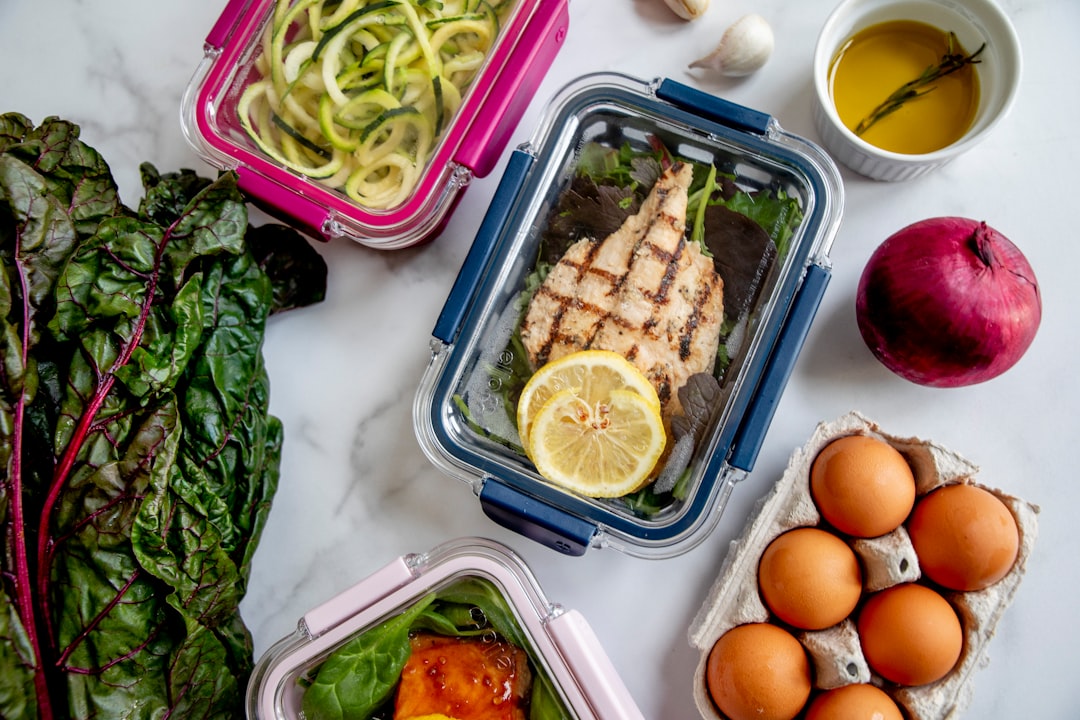
What Does "Best Ways to Use Leftovers" Mean?
When people search for the best ways to use leftovers, they usually want to know how to repurpose cooked food from a previous meal into a new dish. This can include anything from roasted vegetables and cooked meats to grains, sauces, and even bread. The goal is to avoid throwing food away while still enjoying variety in your meals.
Using leftovers is not just about reheating the same plate. It is about rethinking ingredients. For example, last night’s roasted chicken can become today’s chicken salad, soup, or tacos. The concept is simple: treat leftovers as a starting point, not an ending point.
Why People Search for Leftover Ideas
Many people search for leftover ideas because they want to cut down on grocery bills, save cooking time, or reduce household waste. Others may have large families or meal prep regularly, which naturally creates extra food. Some users are looking for creative ways to make leftovers exciting for kids or picky eaters.
Another reason is sustainability. Food waste is a growing concern, and finding the best ways to use leftovers is one of the easiest steps anyone can take. It is a practical habit that fits into daily life without requiring special equipment or expensive ingredients.
Common Requirements for Safe Leftover Use
Before you start repurposing leftovers, it is important to follow basic food safety guidelines. These requirements may apply depending on the type of food and how it was stored:
- Store leftovers in airtight containers within two hours of cooking.
- Keep your refrigerator at or below 40°F (4°C).
- Use cooked leftovers within 3 to 4 days for best quality.
- Reheat food to an internal temperature of 165°F (74°C) before eating.
- Freeze leftovers if you plan to keep them longer than a few days.
Following these steps helps ensure that your leftover meals are safe to eat. Always check your food for any off smells, colors, or textures before using it. When in doubt, throw it out.
How to Check Your Leftover Options
To get the most out of your leftovers, start by looking at what you have. Open your refrigerator or freezer and take stock of cooked items. Ask yourself a few simple questions:
- What proteins are left? (chicken, beef, fish, tofu, eggs)
- What vegetables or grains remain? (rice, pasta, potatoes, broccoli)
- Do you have any sauces, broths, or dressings?
Once you know your ingredients, think about what new dishes they could become. For example, leftover rice can turn into fried rice, rice pudding, or stuffed peppers. Leftover vegetables can go into frittatas, stir-fries, or soups. The best ways to use leftovers often come from mixing two or three components together in a new way.
You can also search online for recipe ideas based on specific ingredients. Many websites let you type in what you have and suggest dishes. Results are not guaranteed to match your exact tastes, but they can give you a helpful starting point.
Common Mistakes to Avoid When Using Leftovers
Even seasoned cooks make mistakes with leftovers. Here are some common pitfalls and how to avoid them:
- Reheating the same way every time: This can make food boring. Instead, try repurposing. Turn leftover steak into beef tacos or add it to a salad.
- Ignoring portion sizes: If you have a small amount of leftover sauce or veggies, don’t force it into a big dish. Use it as a topping or side instead.
- Not labeling containers: Without labels, it is easy to forget how old a leftover is. Use masking tape and a marker to write the date.
- Overcomplicating the process: You don’t need gourmet recipes. Simple ideas like leftover pasta with a fried egg or roasted veggies in a wrap work well.
- Forgetting to freeze: If you won’t eat leftovers within a few days, freeze them immediately. This preserves taste and texture longer.
Avoiding these mistakes helps you get the most value from your food while keeping meals enjoyable.
What to Do Next with Your Leftovers
After you have identified your leftovers and avoided common errors, the next step is action. Start with one meal this week. Pick a leftover item you already have and try a new recipe. For example, turn leftover chili into chili mac and cheese or use it as a topping for baked potatoes.
You can also plan your weekly meals around leftovers. Cook once, eat twice. For instance, roast a whole chicken on Sunday, then use the meat for sandwiches, salads, and soups throughout the week. The best ways to use leftovers often involve simple planning rather than extra work.
If you have extra portions that you cannot use, consider sharing with neighbors or donating to a local food bank if the food is sealed and safe. Options may vary depending on your area, so check your local guidelines first.
FAQ
How long can I keep leftovers in the refrigerator?
Most cooked leftovers are safe to eat for 3 to 4 days when stored properly in a refrigerator set at 40°F or below. Always check for signs of spoilage before eating.
Can I freeze leftovers to use later?
Yes, freezing is a great option. Many leftovers freeze well for up to 2 to 3 months. Use freezer-safe containers or bags, and label them with the date and contents.
What are the best leftovers for lunch the next day?
Dishes like soups, stews, casseroles, stir-fries, and pasta often taste even better the next day. They reheat well and are easy to pack for work or school.
Is it safe to reheat leftovers more than once?
It is generally safe to reheat leftovers only once. Each time you cool and reheat food, the risk of bacteria growth increases. Reheat only the portion you plan to eat.
How can I make leftovers taste fresh again?
Try adding fresh herbs, a squeeze of lemon, or a splash of vinegar. You can also change the texture by roasting, sautéing, or grilling the leftovers instead of microwaving them.
Related Searches
- creative leftover chicken recipes
- what to do with leftover rice
- easy leftover vegetable ideas
- meal prep using leftovers
- leftover pasta recipes for dinner
- how to store leftovers safely
- budget-friendly leftover meals
- zero waste cooking tips