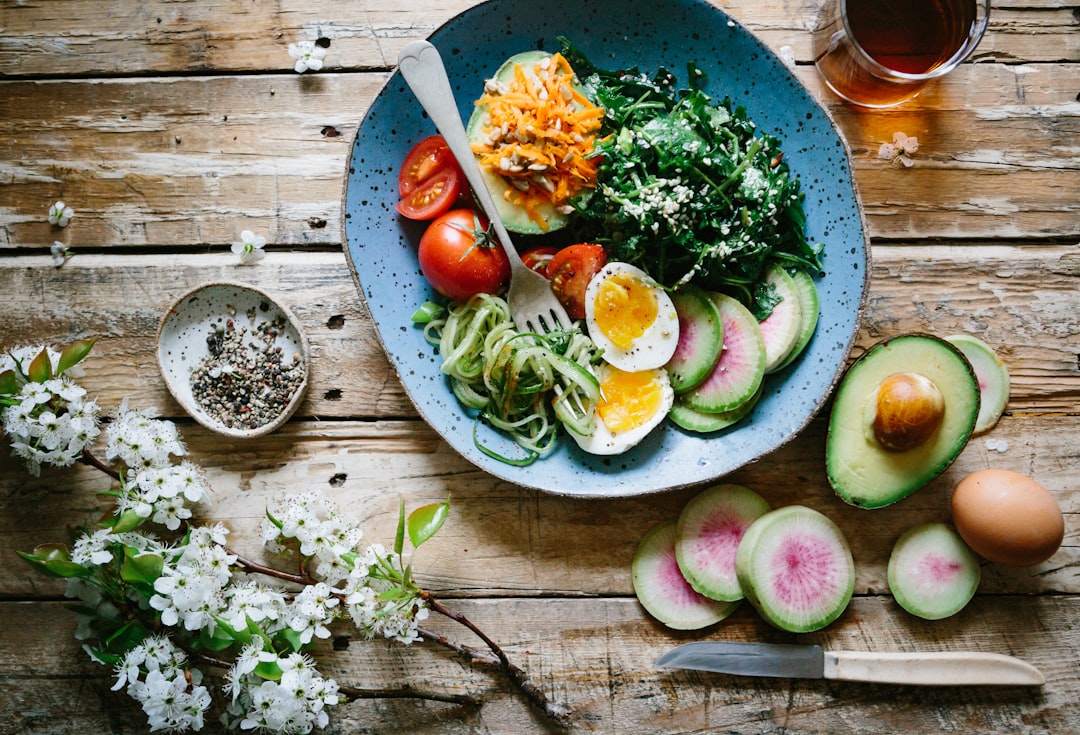
What Does "Best Foods for Meal Prep" Really Mean?
When people search for the best foods for meal prep, they are usually looking for ingredients that stay fresh for several days, reheat well, and support a balanced diet. The goal is to cook once and eat multiple times without sacrificing taste or texture. Not every food is suitable—some turn soggy, dry, or lose nutrients quickly. The best options are those that hold up well in the fridge or freezer and can be combined into versatile meals.
Common examples include lean proteins, whole grains, sturdy vegetables, and healthy fats. These ingredients form a foundation for breakfasts, lunches, and dinners that can be customized with different sauces or seasonings. The key is choosing foods that maintain quality and safety over 3–5 days of storage.
Why People Choose Meal Prep for Their Weekly Routine
Many people turn to meal prep to simplify their daily schedule. By dedicating a few hours on a weekend, they can avoid last-minute cooking decisions, reduce food waste, and control portion sizes. Meal prep is also popular among those managing specific health goals, such as weight management, muscle building, or dietary restrictions like low-carb or gluten-free eating.
Another reason is cost savings. Buying ingredients in bulk and cooking at home is often more affordable than ordering takeout or buying pre-packaged meals. However, results are not guaranteed—success depends on planning, proper storage, and choosing foods that fit your tastes and lifestyle. Options may vary based on your kitchen equipment, budget, and dietary needs.
Essential Ingredients That Work Well for Meal Prep
Here are some of the most reliable categories of foods for meal prep. These items tend to stay fresh and flavorful when stored correctly.
- Lean Proteins: Chicken breast, turkey, tofu, eggs, and canned beans. These reheat well and can be used in salads, wraps, or grain bowls.
- Whole Grains: Brown rice, quinoa, farro, and oats. They maintain texture for several days and provide steady energy.
- Sturdy Vegetables: Broccoli, bell peppers, carrots, sweet potatoes, and zucchini. These hold up better than leafy greens, which are best added fresh.
- Healthy Fats: Avocado (add fresh), nuts, seeds, and olive oil-based dressings. These add flavor and satiety.
- Legumes: Lentils, chickpeas, and black beans. They are high in protein and fiber and store well.
When selecting these foods, consider how they will be reheated. For example, roasted vegetables may become soft, but they still taste good in soups or stir-fries. Experiment with combinations to find what works for your routine.
Common Requirements for Successful Meal Prep
To get the most out of your meal prep, a few basic requirements may apply. First, you need proper storage containers. Airtight glass or BPA-free plastic containers help keep food fresh. Second, a reliable refrigerator set to 40°F (4°C) or below is essential for food safety. Third, plan your meals around ingredients that have similar shelf lives—for instance, cook chicken and rice together, but store sauces separately to prevent sogginess.
Some people also use a freezer for longer storage. Foods like soups, stews, and cooked grains freeze well for up to three months. However, not all foods freeze successfully—dairy-based sauces and crispy items may change texture. Check your status by testing small batches before committing to large quantities.
Additionally, consider your daily schedule. If you have limited time, focus on prepping just 2–3 components (like protein and grains) and add fresh vegetables or herbs later. Requirements may vary depending on your cooking skills and available tools.
How to Check Available Options for Your Meal Prep Plan
Before starting, it helps to evaluate what is available in your area. Local grocery stores, farmers' markets, and online delivery services may offer different selections of fresh produce, meats, and grains. Prices and quality can vary, so compare options to fit your budget. You may be eligible for discounts on bulk purchases or seasonal items.
If you have dietary restrictions, check labels for allergens or added sugars. Many stores now carry pre-chopped vegetables, cooked grains, or marinated proteins that save time. However, these conveniences often cost more. To check your status on budget-friendly choices, look for store brands or weekly sales. Options may vary by season and location, so flexibility is helpful.
Common Mistakes to Avoid When Meal Prepping
Even with the best foods for meal prep, certain errors can lead to waste or disappointment. Here are mistakes to watch out for:
- Overcooking proteins: Dry chicken or rubbery eggs can ruin a meal. Cook to safe internal temperatures, but avoid prolonged heat.
- Using too many watery vegetables: Cucumbers, tomatoes, and mushrooms release liquid, making dishes soggy. Store them separately or add just before eating.
- Not cooling food quickly: Letting food sit at room temperature too long can promote bacterial growth. Cool leftovers within two hours before refrigerating.
- Ignoring flavor variety: Eating the same meal every day can lead to boredom. Use different seasonings, sauces, or toppings to keep meals interesting.
- Prepping too much at once: Start small. A week’s worth of meals is manageable, but larger batches may spoil before you finish them.
Results are not guaranteed, but avoiding these pitfalls increases your chances of enjoying the process and sticking with it long-term.
What to Do Next: Building Your Meal Prep Routine
After selecting your ingredients and avoiding common mistakes, the next step is creating a simple routine. Start by choosing one or two recipes that use overlapping ingredients. For example, roast a tray of chicken thighs and sweet potatoes, then use them in salads, wraps, or bowls throughout the week. Cook a large batch of quinoa or brown rice to pair with different proteins.
Set aside 1–2 hours on a day that works for you, such as Sunday afternoon. Wash, chop, and portion ingredients into containers. Label each container with the date and contents. Store perishable items in the refrigerator and freeze anything you won't eat within 3–4 days. As you gain experience, adjust your plan based on what you enjoy and how much time you have. Remember, meal prep is flexible—you can always modify it to suit your preferences.
Frequently Asked Questions
How long do meal prep foods stay fresh in the refrigerator?
Most cooked foods remain safe to eat for 3 to 4 days when stored in airtight containers at 40°F or below. Some items, like soups and stews, may last up to 5 days. Always check for signs of spoilage, such as off smells or mold, before eating.
Can I freeze meal prep meals?
Yes, many meal prep foods freeze well for up to 3 months. Cooked grains, proteins, and vegetable-based dishes are good candidates. Avoid freezing foods with high water content, like lettuce or creamy sauces, as texture changes are likely.
What are the best containers for meal prep?
Glass containers with tight-fitting lids are durable and microwave-safe. BPA-free plastic containers are lightweight and affordable. For portion control, choose containers with separate compartments to keep foods from mixing.
How do I reheat meal prep food without drying it out?
Add a splash of water or broth before microwaving, and cover the container with a damp paper towel. For oven reheating, cover with foil and use a low temperature. Stirring halfway through helps distribute heat evenly.
Is meal prep suitable for weight loss?
Meal prep can support weight management by helping you control portions and avoid impulsive eating. However, results are not guaranteed and depend on overall calorie intake, food choices, and physical activity. Consult a healthcare professional for personalized advice.
Related Searches
- healthy meal prep ideas for beginners
- meal prep recipes for weight loss
- best containers for meal prep
- meal prep tips for busy weekdays
- high protein meal prep foods
- vegetarian meal prep ideas
- meal prep on a budget
- how long does meal prep last in the fridge